Introduction
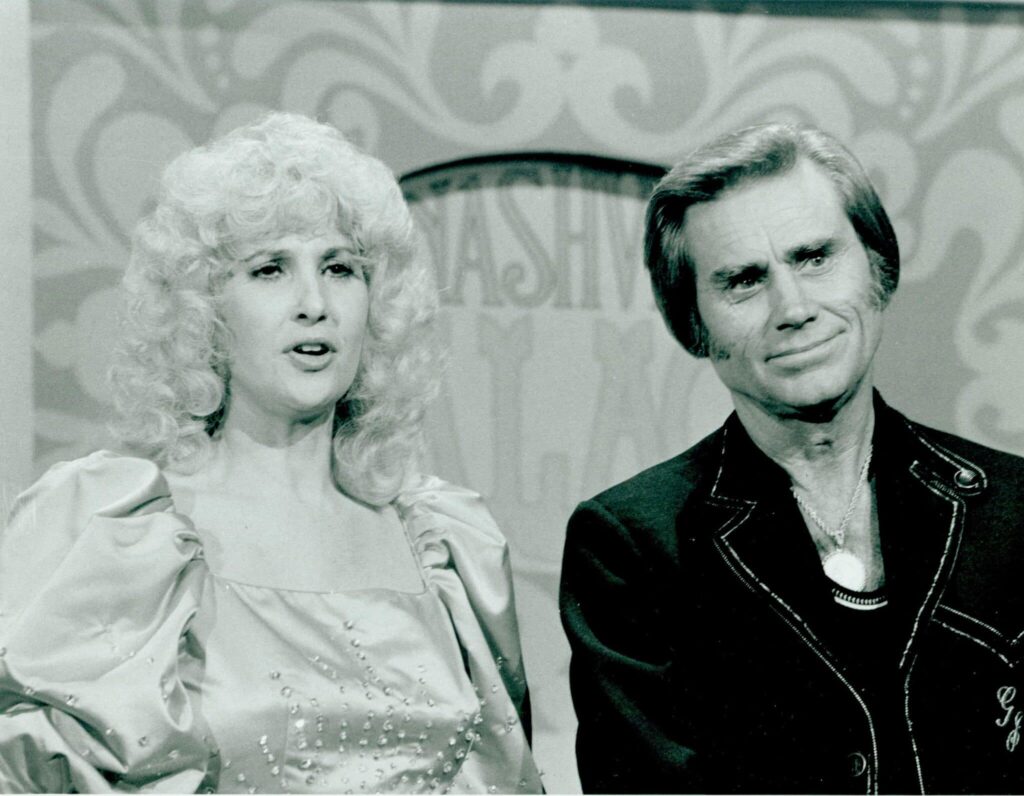
In the landscape of classic country music, few partnerships have carried as much emotional weight as that of George Jones and Tammy Wynette. Their voices did more than harmonize. They documented a relationship that was as turbulent as it was deeply felt. Among the many recordings that defined their legacy, the duet You’re Everything stands out as one of the most sincere reflections of a love that once felt unbreakable.
Released as part of their first collaborative album We Go Together in October 1971 under Epic Records, the song captured a quieter, more intimate side of the duo. While the album’s lead single Take Me reached the Top 10 on the Billboard Hot Country Singles chart, it was You’re Everything that resonated most deeply with listeners who paid attention to the emotional undercurrents behind the music.
At the time, Jones and Wynette were not just recording partners but husband and wife. Their six year marriage, widely followed by fans and the media, was marked by passion, conflict, and vulnerability. This complexity found its way into their recordings, turning their duets into something closer to lived testimony than performance. The production guidance of Billy Sherrill helped shape that authenticity, allowing the raw emotion between the two singers to remain at the center.
Unlike many of their later songs that reflected heartbreak and disillusionment, You’re Everything offered a rare glimpse into a moment when hope still defined their connection. Wynette, who co-wrote the song, drew directly from the emotional intensity of their relationship. The lyrics expressed devotion in its most absolute form, portraying love as a source of purpose and identity.
“When we recorded that song, it felt like we were saying something we truly believed at the time,” Tammy Wynette once reflected in an interview. “It wasn’t acting. It was real.”
The structure of the duet is simple, yet its impact is lasting. Jones delivers his lines with a deep, melancholic tone that had already earned him a reputation as one of country music’s most expressive vocalists. Wynette’s voice, clear and fragile, responds with a sense of emotional openness that balances his gravity. Together, they create a dialogue rather than a performance, one that feels personal even decades later.
For listeners who experienced the era firsthand, revisiting the track today carries a sense of reflection. It recalls a time before the headlines that would later define their relationship. Stories of missed shows, public arguments, and eventual divorce would come to overshadow their union. Yet You’re Everything remains rooted in a different chapter, one where belief in lasting love had not yet been replaced by disillusionment.
“We had something powerful, no doubt about it,” George Jones said in a later conversation. “Songs like that came from a place that you can’t fake, even if everything falls apart later.”
Much of their catalog eventually leaned toward narratives of separation and regret. Songs such as Golden Ring and Two Story House would later illustrate the breakdown of their marriage with almost prophetic clarity. In contrast, You’re Everything captures the beginning rather than the end. It reflects a belief that love, however complicated, could endure.
The track also marked an important point in their professional partnership. It helped establish the emotional foundation that would carry their collaborations throughout the 1970s. Even as their personal lives grew increasingly unstable, their musical chemistry remained undeniable. Audiences continued to respond to the authenticity embedded in their performances, often recognizing that the tension between them added depth rather than detracting from it.
From a musical perspective, the arrangement is understated. The instrumentation supports rather than competes with the vocals, allowing the focus to remain on the interplay between Jones and Wynette. This restraint is part of what gives the recording its lasting appeal. It does not rely on dramatic production techniques or elaborate arrangements. Instead, it depends on the sincerity of two voices meeting at a specific emotional moment.
That moment, preserved in the recording, has outlived the relationship that inspired it. Today, You’re Everything is often revisited not only as a piece of music but as a historical artifact. It offers insight into a partnership that shaped an era of country music while also revealing the human reality behind the public image.
The legacy of George Jones and Tammy Wynette continues to be defined by contrasts. Their story includes both devotion and disappointment, stability and chaos. Yet within that story, certain recordings stand apart. You’re Everything remains one of those rare moments where everything aligned, even if only temporarily.
It is this contrast that gives the song its enduring significance. In a catalog filled with songs about loss, this track reminds listeners that there was once a time when belief came first. A time when two voices, shaped by their own imperfections, found a way to meet in harmony and express something that felt entirely genuine.