
The Monday night air in Kansas City usually carries the weight of high expectations, but following the conclusion of the 2026 NFL Draft, the atmosphere has shifted into something far more analytical and intriguing. On the latest episode of RGR Football, hosts Ryan Tracy and Dan Harms took to the digital airwaves to break down a draft class that can only be described as a “tendency breaker.” After years of following a specific prototype for “Spags players” and offensive weapons, the Kansas City Chiefs have officially entered a new era of roster construction—one that prioritizes versatility, explosive “get-off,” and a calculated willingness to take massive medical risks for elite-level upside.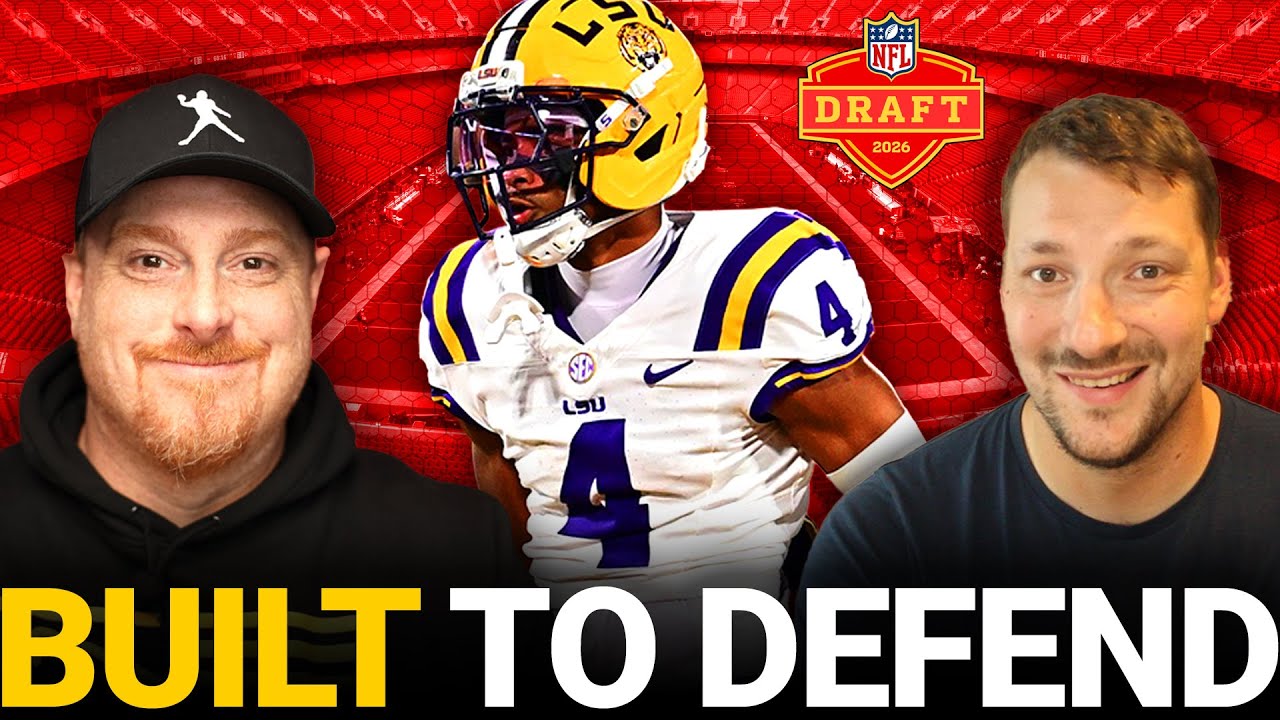
For Chiefs Kingdom, the primary takeaway from this year’s “reload” is a solid B+ grade. This isn’t just a mark of passing talent; it’s a reflection of a front office that used an extra five weeks of “self-scouting” to identify exactly where the armor was thinning. Following a season where team fatigue—particularly among stalwarts like Patrick Mahomes, Travis Kelce, and Chris Jones—became a visible hurdle, the Chiefs didn’t just add bodies. They added specific schematic answers to the problems that plagued them during their quest for a historic three-peat.
The most electrifying shift occurs on the defensive side of the ball. For years, the Kansas City pass rush has relied on a specific brand of heavy, powerful defensive ends. This year, the script was flipped with the arrival of Arason Thomas. Analysts are already drawing comparisons between Thomas and former greats, but with a distinct twist. While George Karlaftis was the “Greek Freak” of power and effort, Thomas is described as “all gas.” His ability to explode off the line of scrimmage is something the Spagnuolo system has often lacked in its base personnel. By adding a rusher with elite bend and speed, the Chiefs are signaling a move toward a more “multiple” defensive front. We are likely to see more 3-4 and 3-3-5 looks that allow players like Thomas to wreak havoc in one-on-one situations, moving away from the predictable blitz packages that opposing offensive lines began to solve late last season.
In the secondary, the “reload” feels even more surgical. Dan Harms highlighted Jaden Kennedy as his favorite pick of the entire class, not because of his draft slot, but because of his fit. Kennedy is the quintessential “missing piece” in a secondary that has often struggled with slot consistency. By plugging a natural nickel corner like Kennedy into the lineup, the Chiefs can keep their versatile safeties and outside corners in their primary positions. This move effectively “slots” the entire defense into a state of maximum efficiency. No longer will a safety like Chamari Connor be forced into a role that doesn’t play to his strengths; the defense now has a specialist for every inch of the field.
However, the conversation isn’t just about who the Chiefs drafted—it’s about the legends they are choosing to move past. The specter of Tyreek Hill has loomed over Kansas City since the moment he was released by Miami, but RGR Football’s analysis suggests the “Cheetah” might not be the answer the Kingdom is looking for. With Hill’s recovery from a significant knee surgery still in question, the Chiefs are pivoting toward youth. The logic is simple but harsh: bringing in a veteran like Hill or Jauan Jennings might provide a short-term spark, but it stunts the development of young talents like Xavier Worthy, Rashid Rice, and the newly drafted Cyrus Allen. The Chiefs are betting on their new wide receiver coach, Chad O’Shea, to refine the “raw” gifts of players like Jeff Caldwell, an undrafted free agent out of Cincinnati with “out of this world” athleticism but a desperate need for fundamental polish.
On the offensive side, the Mahomes outlook is being reshaped by the evolution of the backfield. The Kenneth Walker era is in full swing, and the addition of Emmett Johnson provides a “shifty, lower center of gravity” backup who can elude tackles and contribute in the passing game. The goal is clear: reduce the physical toll on Mahomes by establishing a run game that demands defensive respect, while surrounding him with receivers who can win quickly against man coverage.
Perhaps the most discussed move of the entire draft was the seventh-round selection of quarterback Garrett Nusmeier. In any other year, a player of Nusmeier’s caliber—once considered a top-tier talent in 2024—would never have lasted until the final round. However, a “cyst in the spine” scared off the rest of the league, leaving the Chiefs with a high-reward “YOLO” pick. If Nusmeier is healthy, the Chiefs have secured a high-end backup who could eventually become a valuable trade chip or a reliable insurance policy should Mahomes miss any time. It is the ultimate low-risk, high-reward maneuver that defines the Brett Veach philosophy.
As the team prepares for training camp, the narrative is no longer just about maintaining a dynasty; it’s about innovating it. The 2026 reload isn’t just a collection of players; it’s a schematic manifesto. By breaking their own tendencies and embracing a faster, more multiple approach, the Chiefs are attempting to stay one step ahead of an AFC West that is desperate to catch them. The grade is a B+, but the potential for these “tendency breakers” to turn into championship gold is higher than it has been in years.