Introduction
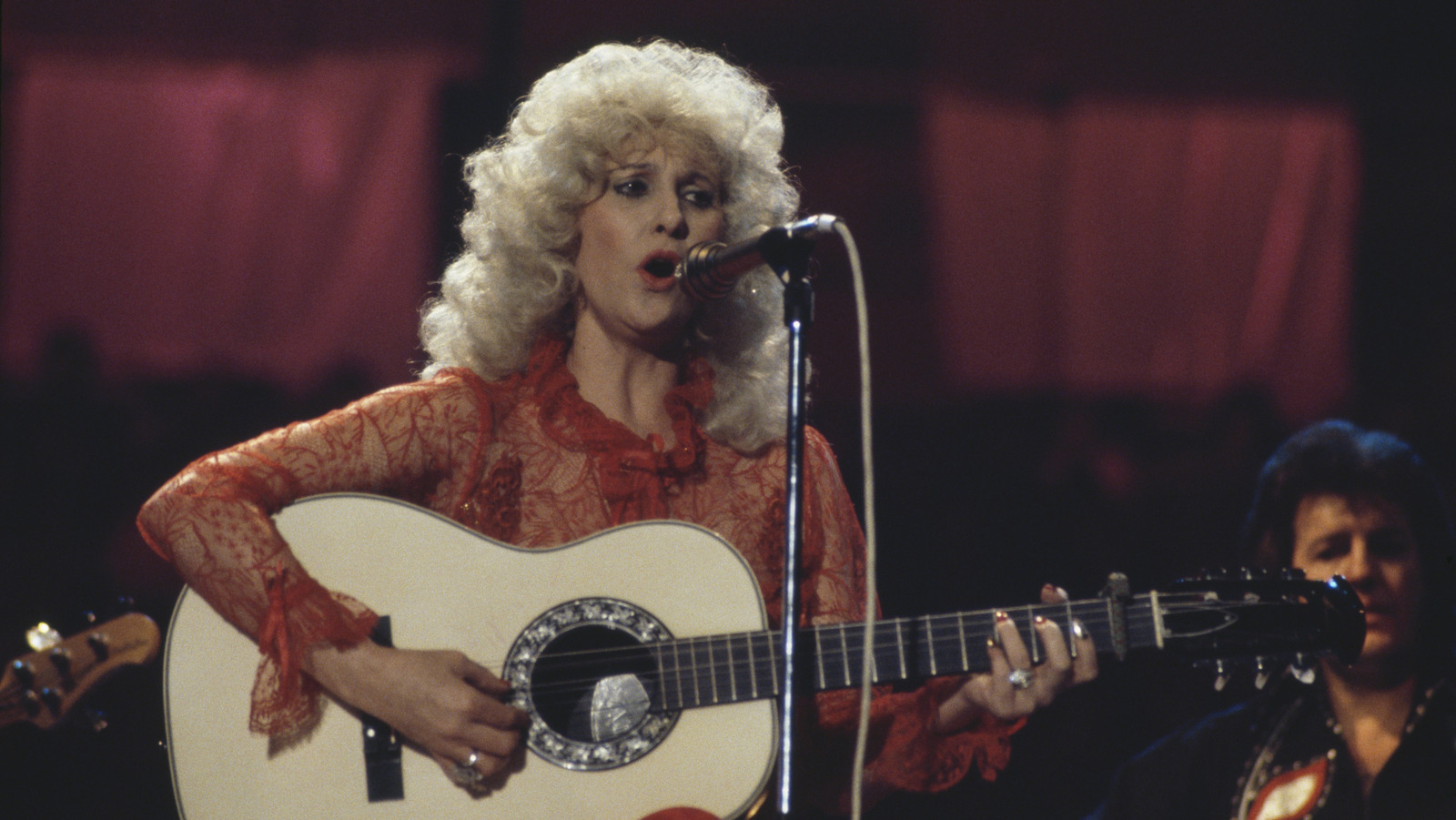
Tammy Wynette remains one of the most defining voices in the history of American country music, a figure whose emotional clarity and unwavering honesty reshaped how stories of love and hardship were told on record. Born in Mississippi, she emerged from a modest background and rose to national prominence in the late 1960s, quickly establishing herself as a leading female artist in a genre that was undergoing transformation.
Her ascent was not built on spectacle or reinvention, but on a rare ability to translate deeply personal experiences into songs that resonated across generations. From the earliest moments of her career, Tammy Wynette demonstrated a distinctive vocal presence, one that balanced strength with vulnerability. That balance would become her signature and a cornerstone of her influence.
In 1968, her career reached a defining turning point with the release of “Stand by Your Man”, a song that would go on to become one of the most recognizable recordings in country music history. The track not only achieved commercial success but also sparked conversation about relationships and loyalty, themes that would continue to shape Wynette’s catalog. Her delivery of the song conveyed both conviction and emotional complexity, reinforcing her role as a storyteller rather than simply a performer.
“I always tried to sing the truth as I felt it, even when it was uncomfortable,” Tammy Wynette once reflected when discussing her approach to music.
Following that breakthrough, Wynette continued to release a series of influential recordings. Songs such as “D-I-V-O-R-C-E” and “Til I Can Make It on My Own” expanded her reputation as an artist willing to confront difficult realities. These tracks explored themes of separation, resilience, and personal struggle, offering listeners a perspective that felt both intimate and universal. At a time when country music often leaned toward traditional narratives, her work introduced a more nuanced emotional landscape.
The sound that framed her voice was equally important. Wynette became closely associated with the Nashville Sound, a production style that blended traditional country elements with polished studio techniques. This approach allowed her recordings to reach a broader audience while maintaining their emotional authenticity. Her voice remained the focal point, carrying each lyric with clarity and intention.
Industry observers often pointed to her ability to inhabit a song fully, to make each line feel lived rather than performed. That quality helped her stand apart in a competitive field and contributed to her enduring legacy.
“When Tammy sang, you believed every word because she believed it first,” one collaborator noted, reflecting on her impact within the studio.
Beyond her solo work, Wynette’s collaborations also played a significant role in shaping her public image. Her partnership with George Jones, both musically and personally, became one of the most closely followed relationships in country music. Their duets, including the widely celebrated “Golden Ring”, captured the complexities of love and partnership in a way that mirrored their own lives.
The connection between Wynette and Jones extended beyond the recording booth. As both artistic collaborators and spouses, their relationship added another dimension to their music. Audiences were drawn not only to their voices but to the authenticity that came from their shared experiences. This interplay between personal life and artistic output contributed to the enduring fascination with their work.
Throughout her career, Tammy Wynette accumulated numerous accolades, including multiple Grammy Awards. These honors reflected both commercial success and critical recognition, affirming her place among the leading figures of her genre. Yet awards alone do not fully capture her significance. Her influence lies in the way she expanded the emotional vocabulary of country music, making space for stories that were often overlooked or simplified.
Her nickname, “The First Lady of Country Music”, was not simply a title but a reflection of her standing within the industry. It acknowledged her contributions to the evolution of the genre and her role in paving the way for future generations of female artists. By addressing themes of love, hardship, and personal struggle with honesty, she helped redefine what country music could express.
The legacy of Tammy Wynette continues to be felt in contemporary country music. Artists who followed in her footsteps have drawn inspiration from her willingness to engage with complex emotions and her commitment to authenticity. Her recordings remain widely recognized, not only for their historical significance but for their enduring emotional resonance.
Even decades after her rise to fame, her voice continues to echo through the genre she helped shape. The combination of lyrical sincerity, vocal strength, and emotional depth ensures that her work remains relevant. As new audiences discover her music, the question of what defines a true country legend often leads back to her name.
In revisiting her catalog, listeners encounter more than a series of successful songs. They encounter a body of work that reflects the realities of human relationships and the challenges that accompany them. It is this connection to lived experience that has secured Tammy Wynette a lasting place in the history of country music, and it is this same connection that continues to draw listeners back to her voice.