Introduction
Tammy Wynette remains one of the most defining voices in the history of country music, a performer whose artistry was rooted not in spectacle but in emotional honesty. Often referred to as the “First Lady of Country Music,” Wynette built her legacy through songs that spoke directly to the lived experiences of her audience. Her work consistently explored themes of love, heartbreak, and personal struggle, creating a body of music that continues to resonate across generations.
Among her most poignant recordings, I Don’t Wanna Play House stands as a powerful example of her ability to transform deeply personal emotions into universally understood storytelling. The song presents a narrative that is both intimate and unsettling, capturing the perspective of a woman confronting the fragile illusion of domestic happiness. It is not merely a song about a failing relationship, but a reflection of emotional disillusionment shaped through the lens of family life.
The strength of Wynette’s performance lies in her voice, which carries a distinct texture often described as husky yet tender. That tonal quality allows her to convey vulnerability without exaggeration. Rather than relying on dramatic flourishes, she delivers each line with restraint, allowing the weight of the lyrics to settle naturally. This approach gives the song an authenticity that feels immediate and unfiltered.
Listeners are drawn into a story where longing and realization exist side by side. The central character seeks genuine connection and emotional security, only to recognize that the foundation of her life is built on something far less stable. It is this quiet realization, rather than any overt confrontation, that defines the emotional core of the song.
“When I recorded that song, I wasn’t trying to perform it. I was living it in that moment. Every word felt like it belonged to someone real, not just a character,” Tammy Wynette once reflected in an interview.
This sense of realism has been a defining feature of Wynette’s career. She did not present herself as untouchable or distant from her audience. Instead, she positioned her voice as a reflection of shared experiences. Her music offered a space where listeners could recognize their own struggles without judgment or embellishment.
The cultural impact of I Don’t Wanna Play House extends beyond its chart success. It contributed to a broader shift within country music, where female artists began to assert more complex emotional narratives. Wynette’s interpretation challenged simplified portrayals of domestic life and brought attention to the emotional costs that often remain unspoken.
Music historians frequently point to this period as a turning point in the genre’s evolution. The willingness to address difficult themes with sincerity helped redefine what country music could express. Wynette’s work became a reference point for authenticity, influencing artists who sought to move beyond surface level storytelling.
“Tammy had a way of making you feel like she was singing directly to you. There was no distance between the artist and the listener. That connection is rare,” said a longtime collaborator who worked closely with her during her peak years.
Her influence can still be traced in contemporary country music, where emotional transparency remains a valued quality. While production styles and musical arrangements have evolved, the core principle that Wynette embodied continues to shape the genre. Artists today still strive to capture that same sense of honesty, though few manage to achieve it with the same level of clarity.
Part of what makes Wynette’s work enduring is its refusal to provide easy answers. The narrative in I Don’t Wanna Play House does not resolve neatly. Instead, it leaves the listener with a lingering sense of uncertainty, mirroring the complexities of real life. This open ended quality invites reflection rather than closure, encouraging audiences to engage with the song on a personal level.
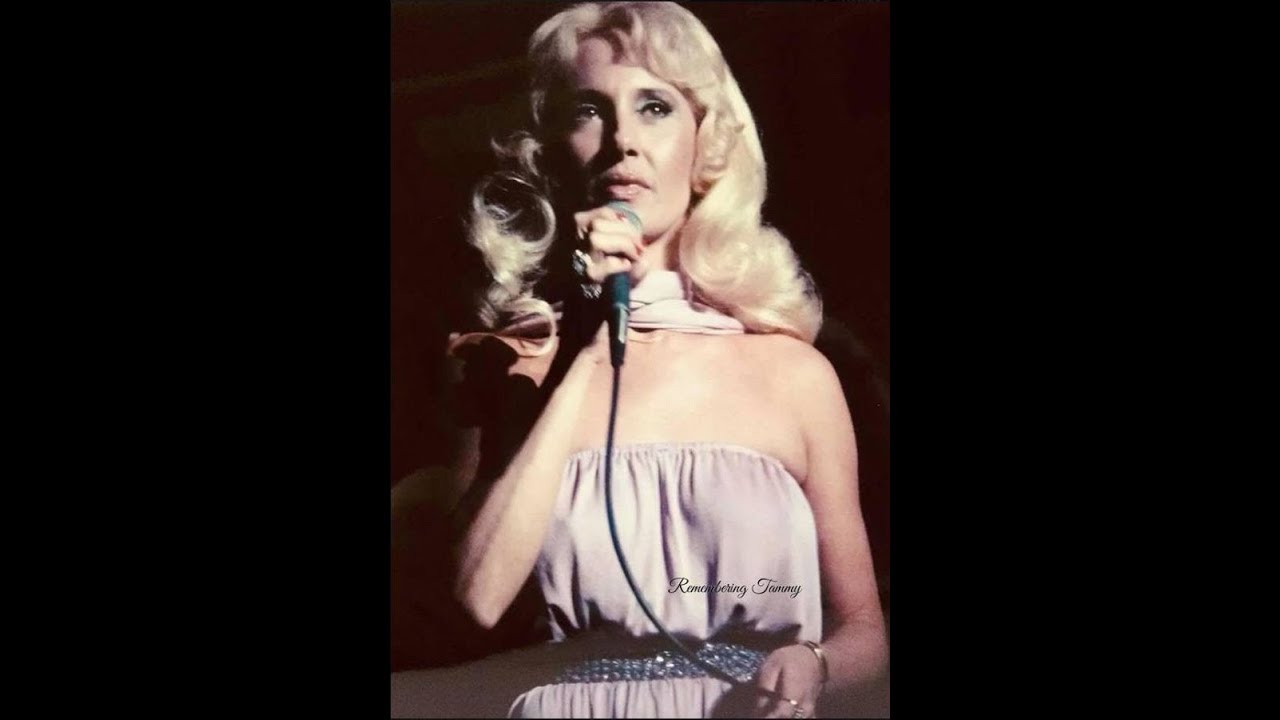
Her stage presence further reinforced this connection. Wynette did not rely on elaborate visuals or theatrical gestures. Her performances were grounded in the strength of her voice and the sincerity of her delivery. This simplicity allowed the emotional content of her songs to take center stage, ensuring that the message remained clear and unfiltered.
In examining her legacy, it becomes evident that Wynette’s contribution extends beyond individual recordings. She helped establish a standard for emotional authenticity that continues to define country music. Her ability to articulate vulnerability without sentimentality set her apart from many of her contemporaries.
Tammy Wynette did not simply perform songs. She gave voice to experiences that often remain unspoken, offering listeners a sense of recognition and understanding. Through I Don’t Wanna Play House, she demonstrated that music can serve as both expression and reflection, capturing moments of truth that resonate long after the final note fades.
As audiences revisit her work today, the question remains whether modern interpretations of country music can maintain that same level of emotional depth. The answer may lie not in imitation, but in the willingness of artists to embrace the kind of honesty that Wynette made her signature.