When Kris Aquino addressed her late mother, Corazon Aquino, she did so with restraint rather than ceremony. Her message was brief, deeply personal, and unmistakably deliberate. She assured her mother that her children are “100 percent united.”
For a family whose name is inseparable from Philippine history, those words carried a weight shaped by decades of public attention, private grief, and evolving relationships. This was not a political statement. It was a daughter’s reckoning with memory—and an affirmation that something once fragile had found stability.


The Aquino family’s story has long been told in chapters of sacrifice and service. Cory Aquino became a symbol of moral leadership during a defining moment in the nation’s history. But beyond the public narrative existed a family navigating loss under relentless scrutiny. For her children, grief was never private. It unfolded in full view of a country that felt invested in every outcome.
Kris Aquino’s relationship with her mother was famously close, built on loyalty, admiration, and shared visibility. Cory Aquino was not only a national figure but also the emotional center of the family. After her passing, any reference to unity among her children inevitably carried symbolic meaning.
The statement that they are now united suggested a journey rather than a condition. Unity, in this context, implies effort—years of adjustment, forgiveness, and maturity shaped by experience. Kris Aquino did not describe how unity was achieved. She did not revisit old narratives. She simply stated the outcome.


That restraint mattered. In refusing to dramatize the past, she protected the present. The message did not reopen wounds or invite speculation. Instead, it closed a chapter that had long been discussed from the outside.
The timing of her words also mattered. In recent years, Kris Aquino has faced serious health challenges that forced her to slow down and reevaluate priorities. Those experiences appear to have sharpened her focus on peace, family, and emotional honesty. Speaking to her mother now felt less like nostalgia and more like accountability—an update delivered across time.
Public reaction reflected how deeply the message resonated. Many Filipinos interpreted it not as a declaration of perfection, but of resolution. In a culture where family unity is central to identity, her assurance felt grounding. It suggested that despite complexity and loss, reconciliation is possible.
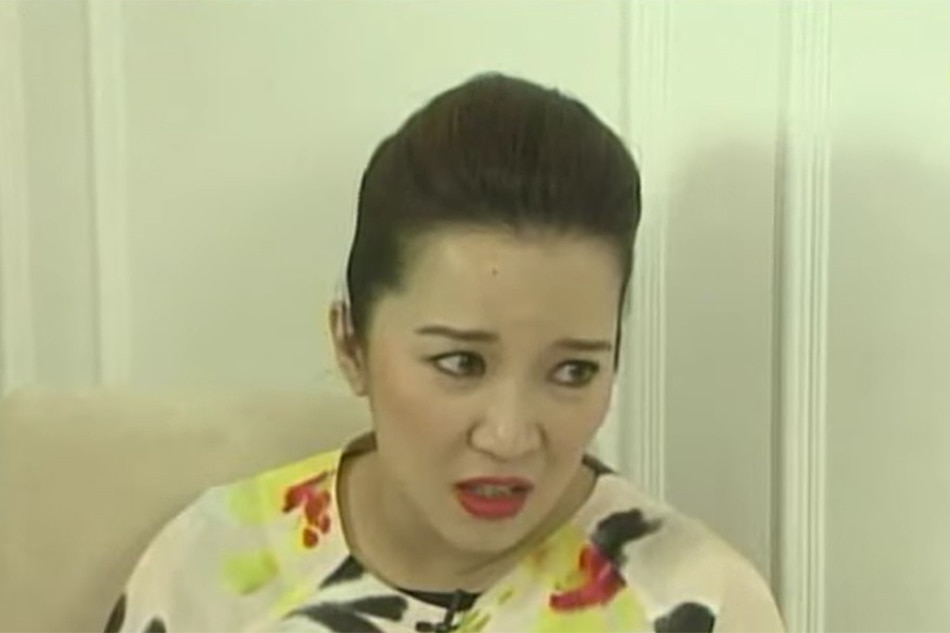

Notably, Kris Aquino chose what to say—and what not to say. She offered no details, no timelines, no proof. That silence felt intentional. Unity, once lived, does not require validation.
Her message reframed how the Aquino family is remembered in the present tense. It shifted attention away from difference and toward alignment. Not because conflict never existed, but because it no longer defines them.
Ultimately, the power of her words lies in their simplicity. “Your children are united” is not dramatic. It does not ask for applause. But for those who understand the history behind it, the statement carries years of complexity distilled into peace.
It was a message meant for one person—but it resonated with many. And in that quiet resonance, Kris Aquino offered a reminder that legacies are not only inherited. They are repaired, protected, and lived.