The Philippines once again finds itself at the center of an intense national conversation—one that blends diplomacy, sovereignty, political ambition, and raw emotion. What began as a series of provocative statements tied to Commodore Jay Tarriela has now escalated into a full-blown Senate showdown, drawing powerful reactions from lawmakers, analysts, and ordinary Filipinos alike.
At the heart of the storm: a controversial exchange involving the West Philippine Sea, the Chinese Embassy in Manila, and a Senate resolution that has exposed deep divisions—not only in policy direction but also in political philosophy.
And now, with Senator Alan Peter Cayetano finally breaking his silence, the country is asking: Are we heading toward clarity—or deeper chaos?

The Spark: What Did Jay Tarriela Do?
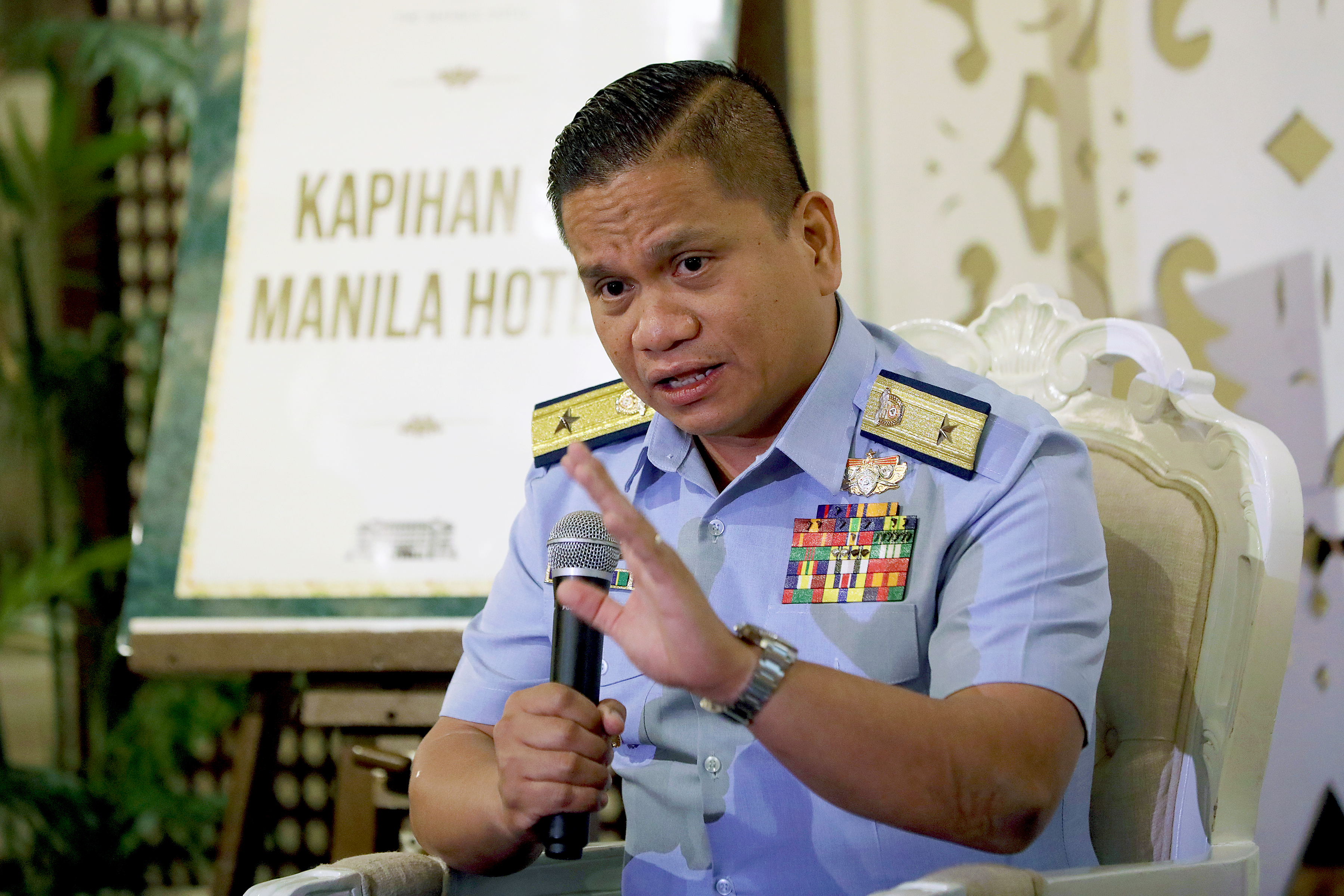
Commodore Jay Tarriela, a known figure associated with the Philippine Coast Guard and government communications, has been under fire following remarks and actions widely interpreted as provocative and undiplomatic. Critics argue that his statements—particularly those perceived as confrontational toward China—triggered a chain reaction that placed the Philippines in a precarious position internationally.
Supporters, however, see Tarriela as a bold defender of Philippine sovereignty, unafraid to speak bluntly about the nation’s rights in the West Philippine Sea.
This split in public opinion mirrored what would soon unfold inside the Senate.
Senate Resolution 256: Fuel to the Fire
The controversy intensified when Senate Resolution No. 256 was introduced. The resolution condemns what lawmakers described as “unacceptable and undiplomatic remarks” made by officials of the Chinese Embassy in Manila against Philippine senators and public officials.
Proponents argue the resolution is a necessary assertion of national dignity and independence. Critics warn it could escalate tensions, jeopardize diplomatic relations, and place millions of overseas Filipino workers (OFWs) at risk.
The Senate floor quickly turned into a battleground of ideas, egos, and ideologies.
Senator Alan Peter Cayetano: A Call for Caution
Amid the heated exchanges, Senator Alan Peter Cayetano emerged as a voice urging restraint.
In a measured but firm manifestation, Cayetano proposed that instead of rushing straight into interpellation and adoption of the resolution, the Senate should first conduct a formal hearing.
“This issue is very subtle,” Cayetano emphasized.
“It would be good for us and for the public to fully understand what was said, what was meant, and what truly happened.”
Cayetano stressed that while the Senate must protect national sovereignty, it must also avoid emotional reactions that could unintentionally worsen the situation.
His statement was seen by many as an attempt to slow down a rapidly escalating conflict and bring reason back into a debate dominated by outrage.
Politics or Patriotism? The Question Everyone Is Asking
As discussions dragged on, a more uncomfortable question surfaced online and in political circles:
Is this about defending the Philippines—or positioning for the 2028 elections?
Some commentators accused certain senators—particularly those associated with opposition or “Yellow” factions—of using the issue as a political audition for international allies, especially the United States.
Critics claimed that fiery speeches and hardline stances were less about resolving the West Philippine Sea issue and more about being noticed on the global stage.
Supporters dismissed these accusations as cynical, insisting that standing up to foreign pressure is never the wrong move.
The China Factor: Diplomacy on a Knife’s Edge
The Chinese Embassy’s sharp response to Philippine officials added gasoline to an already blazing fire. Senate members across party lines condemned what they described as interference in domestic affairs.
Yet others argued that the embassy’s reaction was a predictable diplomatic defense, triggered by what they saw as inflammatory remarks from a Philippine official.
This raised a critical point:
Should the Philippines respond with equal aggression—or with strategic restraint?
Former President Rodrigo Duterte’s long-standing principle echoed through the debate:
“Friends to all, enemies to none.”
Supporters of this approach warned that a confrontational path could hurt:
-
OFWs in China, Hong Kong, and Macau
-
Trade and tourism
-
Regional stability in Southeast Asia
Egos, Emotions, and Escalation
One of the harshest critiques emerging from analysts is that the situation has become less about policy and more about pride.
Some believe the Senate resolution, while noble in intention, risks defending individual egos rather than focusing on long-term national interest.
The argument goes:
If one official’s remarks triggered the crisis, shouldn’t the focus be on accountability and internal review—not international confrontation?
This sentiment resonated with Filipinos exhausted by political drama and fearful of real-world consequences.
A Nation Divided—but Deeply Invested
Across social media, reactions have been explosive:
-
Some Filipinos applaud the Senate’s strong stance, seeing it as long overdue courage
-
Others fear the country is being pushed into unnecessary danger
-
Many ask why ordinary citizens must bear the risks of decisions made by politicians
What’s clear is that the West Philippine Sea is no longer just a territorial issue—it’s a mirror reflecting the nation’s identity, leadership style, and future direction.

What Happens Next?
As of now:
-
The Senate leadership has acknowledged Cayetano’s call for a possible hearing
-
No final action has been taken on Resolution 256
-
Public attention remains sharply focused on the unfolding developments
Whether the Senate chooses dialogue over drama—or escalation over examination—will shape not just foreign policy, but the Philippines’ standing in the world.
Final Thoughts: A Defining Moment
This controversy is more than a headline. It is a defining moment.
It asks hard questions:
-
How do we defend sovereignty without provoking disaster?
-
When does courage become recklessness?
-
And who truly pays the price for political posturing?
As Senator Cayetano reminded his colleagues, wisdom sometimes lies not in raising one’s voice—but in pausing long enough to listen.
For now, the nation watches, waits, and hopes that cooler heads will prevail—before words turn into consequences no one can undo.
