Hope or Hatred? Contrasting Reactions Among Iranians Amid Escalating Military Tensions
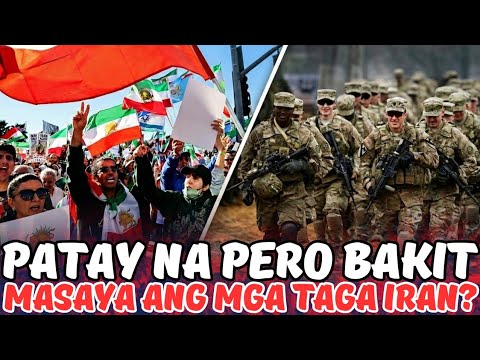
In recent weeks, rising military tensions have placed Iran at the center of global attention. Reports of air raid sirens echoing across major cities, disruptions in daily life, and concerns about shortages have contributed to a climate of uncertainty. Yet within this atmosphere of strain, public reactions appear far from uniform. While many citizens have expressed deep anxiety about safety and stability, others have voiced a very different sentiment—viewing the turmoil as a potential turning point for political change.
These contrasting responses reveal the complexity of public opinion inside Iran, a nation with a long and layered history shaped by revolution, reform movements, economic challenges, and geopolitical pressures. The current situation has once again highlighted the diversity of perspectives that coexist within its borders.
A Climate of Uncertainty
Military escalation, or even the perception of it, can alter daily life almost immediately. In several major cities, reports of sirens and precautionary measures have heightened tension. Families have sought reliable information. Businesses have adjusted operations. Social media platforms have filled with updates, images, and personal reflections.
For many residents, the overriding emotion has been concern. Stability is a universal human priority. When routines are interrupted by external pressures, uncertainty can generate fear about what the coming days may bring.
Essential supplies, transportation systems, and communication networks often become focal points during such periods. Even rumors of shortages can prompt cautionary behavior. In this environment, anxiety is a natural response.
A Different Reaction: Viewing Turmoil as Opportunity
At the same time, a segment of the population has expressed a contrasting view. Some individuals, particularly those who have long been critical of the political system, perceive moments of instability as potential openings for reform or transformation.
Over the years, debates about governance, economic management, and civil freedoms have shaped internal discourse in Iran. Critics often describe the current system as resistant to change, while supporters argue that stability and sovereignty must remain priorities.
When external pressures intensify, these longstanding debates can resurface with renewed intensity. For certain voices, disruption is interpreted not only as risk but also as possibility—a chance for structural adjustments that they believe have been overdue.
It is important to recognize that such perspectives reflect political aspirations rather than unified national consensus.
Historical Context Shapes Present Emotions
Public reactions cannot be understood without acknowledging history. Iran’s modern identity has been shaped significantly by the events of the Iranian Revolution, which transformed the country’s political system and redefined its global relationships.
Since then, the nation has navigated regional conflicts, international negotiations, sanctions, and domestic reform movements. Each chapter has left an imprint on collective memory.
For older generations, memories of past upheaval may reinforce caution. For younger citizens, especially those active online, global connectivity influences expectations and aspirations. These generational differences contribute to varied interpretations of present events.
The Role of Digital Platforms
Social media has become a central arena for expressing both anxiety and optimism. Posts documenting sirens or disrupted services circulate alongside messages calling for change or solidarity.
However, digital discourse can amplify extremes. Emotional reactions often gain more visibility than measured analysis. In rapidly evolving situations, misinformation can also spread, complicating efforts to assess reality accurately.
Observers emphasize the importance of verifying information through credible sources, particularly when security conditions are fluid. Digital spaces can reflect genuine sentiment, but they may not capture the full spectrum of opinion across diverse regions and communities.
The Human Dimension
Beyond political narratives lies the human experience. Families worry about safety. Parents consider the well-being of their children. Workers contemplate job security. Students wonder about educational continuity.
Even individuals who advocate for change often acknowledge the personal costs associated with instability. The desire for reform can coexist with concern about short-term disruption.
This duality—hope intertwined with apprehension—defines much of the current emotional landscape.
Regional and Urban-Rural Differences
Reactions also vary geographically. Residents of large urban centers may experience events differently from those in smaller towns or rural areas. Access to information, exposure to global perspectives, and economic conditions can influence interpretation.
In metropolitan regions, where political activism and media engagement may be more pronounced, conversations about reform might dominate online discussion. In other areas, priorities may focus more directly on stability and economic continuity.
Understanding these differences prevents oversimplification.
International Attention and Internal Reflection
Global media coverage adds another layer of complexity. External analysis often frames developments within broader geopolitical contexts. While international perspectives can provide valuable insight, they do not always capture internal nuance.
For citizens within Iran, lived experience shapes perception more powerfully than external commentary. The interplay between domestic realities and international narratives influences how events are understood.
The Balance Between Stability and Change
At the heart of contrasting reactions lies a timeless tension: the balance between stability and change. Stability offers predictability and security. Change promises improvement and renewal. During periods of military strain, these values can appear in conflict.
Some citizens prioritize immediate safety and continuity. Others focus on long-term structural transformation. Both perspectives arise from deeply held beliefs about what constitutes national well-being.
It is essential to approach these differences with respect, recognizing that each viewpoint reflects lived experience and personal conviction.
The Importance of Dialogue
Constructive dialogue becomes especially vital during uncertain times. Open discussion allows communities to express concerns without escalating division. When emotions run high, maintaining channels for peaceful conversation helps prevent misunderstanding.
Whether through community forums, academic discussion, or digital platforms, dialogue fosters empathy. Even when opinions diverge sharply, acknowledgment of shared humanity can reduce polarization.
Looking Ahead
The trajectory of military tensions remains uncertain. Diplomatic efforts, regional developments, and internal decision-making will all influence what unfolds next. Predicting outcomes in such a dynamic environment is challenging.
What remains clear is that public sentiment is not monolithic. Anxiety and optimism coexist. Fear and hope can inhabit the same moment.
As events continue to evolve, verified information and measured analysis will be crucial. Sensational interpretations risk deepening division, while balanced reporting supports informed understanding.
Conclusion
The contrasting reactions among Iranians to recent military tensions illustrate the complexity of a society navigating uncertainty. For many, sirens and disruptions have triggered understandable concern about safety and stability. For others, the situation has revived discussions about political reform and future direction.
These divergent responses do not represent simple binaries of hope versus hostility. Rather, they reflect layered histories, generational experiences, and varied priorities within a diverse nation.
In times of heightened strain, patience, credible information, and respectful dialogue become essential. Ultimately, the story unfolding in Iran is not defined solely by tension, but by the resilience and diversity of its people—each responding according to personal experience and vision for the future.
