Introduction
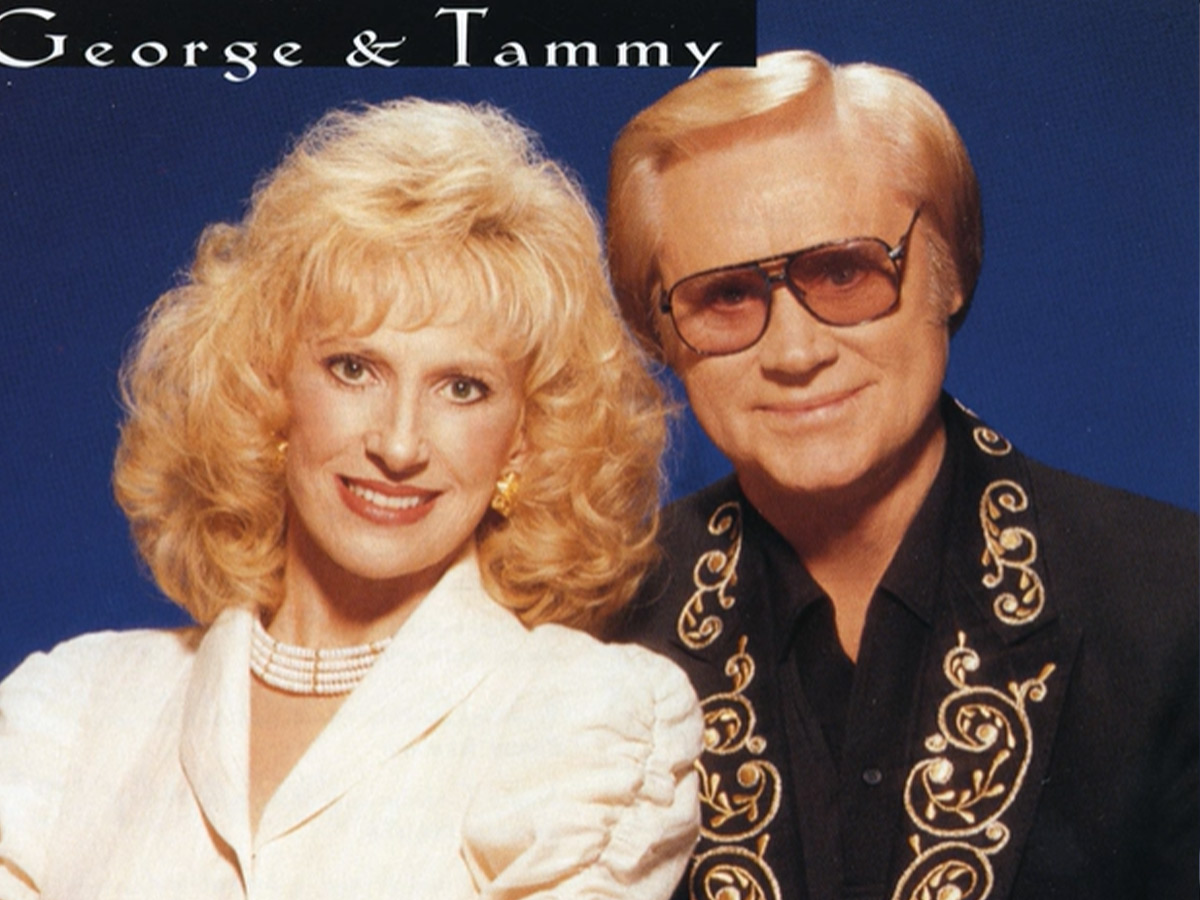
In the history of country music, few partnerships have carried the same emotional weight as that of Tammy Wynette and George Jones. Their voices did more than harmonize. They collided, clashed, and ultimately created a body of work that continues to resonate decades later. What listeners often describe as a simple medley of their greatest duets is, in reality, something far more profound. It is a compressed narrative of a relationship defined by passion, instability, and an enduring artistic connection that outlived their marriage.
The concept of a medley built from their most iconic recordings has appeared across compilation albums and live performances over the years. While there is no single official track titled as such in their core discography, collections like 16 Biggest Hits have effectively shaped the idea into a recognizable form. These medleys bring together chart-topping songs such as We’re Gonna Hold On, Golden Ring, and Near You, along with other notable entries like The Ceremony and Two Story House. The result is not just a playlist but a cohesive emotional journey.
Their chart success tells part of the story. Three of their duets reached number one on the country charts, and several others secured positions in the Top 10. What stands out is not only the commercial impact but the timing. Their success continued even after their divorce in 1975, a period when most musical partnerships would have dissolved. Instead, their shared sound remained intact, almost defiant in its consistency.
The deeper significance of this medley lies in its ability to mirror their personal lives. Married in 1969, Wynette and Jones entered a relationship that was intense from the beginning. Their union was marked by emotional highs and destructive lows, shaped in part by Jones’ struggles with alcohol and the pressures of fame. Producer Billy Sherrill played a critical role in translating this reality into music, capturing both the tenderness and the tension that defined their partnership.
When listening to a medley of their work, the emotional shifts are unmistakable. Early optimism is present in We’re Gonna Hold On, a song that projects resilience and hope. That tone gradually gives way to the stark realism of later recordings. Golden Ring offers a narrative of a wedding band that travels from hopeful beginning to broken end, reflecting the cyclical nature of love and loss. Placed alongside Two Story House, which uses the metaphor of a divided home to depict a collapsing marriage, the songs form a layered commentary on their own experiences.
What makes these transitions compelling is their authenticity. The audience is not simply hearing stories. They are witnessing reflections of real events filtered through music. The medley format intensifies this effect by placing contrasting emotions side by side. Joy does not exist without sorrow, and commitment is inseparable from betrayal. The listening experience becomes immersive, almost cinematic in its progression.
“We lived those songs. They weren’t just words on paper. Every note carried something real between us,” Tammy Wynette once reflected in an interview about their collaborations.
Their vocal interplay remains one of the defining features of their recordings. Wynette’s soprano carries a distinct vulnerability, most famously heard in Stand by Your Man. Her voice often conveys emotional fragility while maintaining a sense of strength. In contrast, Jones brings a baritone that is deeply expressive, capable of turning even simple lyrics into something layered with meaning. Together, they create a balance that feels both natural and tension-filled.
This balance becomes even more striking when considering the timeline of their work. Many of their most powerful performances were recorded after their separation. Singing about love, loyalty, and heartbreak long after their marriage had ended added an additional dimension to their music. It transformed their recordings into something closer to a dialogue than a duet.
“The truth is, no matter what happened between us, when we sang together, it still worked. That never went away,” George Jones admitted when discussing their continued collaborations.
For audiences, this authenticity has always been the key to their enduring appeal. Fans who experienced similar struggles in their own lives found something recognizable in the songs. The medley format amplifies this connection by presenting multiple facets of a relationship in a single performance. It does not offer resolution or closure. Instead, it reflects the ongoing and often unresolved nature of human emotion.
There is also a broader cultural context to consider. During the 1970s and early 1980s, country music often centered on themes of love, loss, and resilience. Wynette and Jones embodied these themes in a way that felt both personal and universal. Their work stood as a reminder that music could serve as both entertainment and emotional documentation.
The enduring legacy of their medley lies in its ability to compress a complex narrative into a format that remains accessible. Each song contributes a piece of the larger story. Together, they form a portrait of a relationship that was as destructive as it was creative. The contradictions are not smoothed over. They are highlighted, giving the music its lasting power.
Decades later, the recordings continue to find new audiences. Younger listeners, unfamiliar with the full context of their story, often discover the emotional intensity first and the history second. For those who already know the background, the medley serves as a reminder of how closely intertwined their personal and professional lives were.
In the end, the medley stands as more than a collection of songs. It functions as a document of two artists whose connection could not be contained by traditional boundaries. Love and conflict existed side by side, and their music captured both without compromise. As each track flows into the next, the listener is left not with answers but with a deeper understanding of how art can emerge from even the most turbulent of lives.
And perhaps that is why the voices of Tammy Wynette and George Jones continue to echo. Not because their story was perfect, but because it was not.