In the historic surroundings of Britain’s royal residences, change rarely arrives suddenly. Instead, it unfolds gradually—through decisions about duty, tradition, and the careful management of legacy. Recently, renewed public attention has focused on how royal properties are inherited and managed, particularly in relation to Prince William and certain privately held estates connected to Balmoral.
While much of the discussion has been shaped by media interpretation and public curiosity, the situation offers a valuable opportunity to understand how royal inheritance works, how private and institutional assets differ, and how the monarchy continues to adapt in a modern era.
This evolving story is not simply about a single property or individual. It reflects broader themes: continuity across generations, the balance between tradition and modernization, and the long-term planning that ensures stability within one of the world’s most enduring institutions.
Balmoral: A Personal Estate With Historical Importance
Balmoral Castle, located in the Scottish Highlands, has long held a unique place within the royal family. Unlike official residences such as Buckingham Palace, Balmoral is privately owned rather than held by the Crown. This distinction is essential, as it means the estate is treated as a personal asset passed through family inheritance rather than a state-managed property.
Originally purchased in the 19th century by Queen Victoria and Prince Albert, Balmoral has served as a retreat for generations of royals. It is widely known as a place of rest, reflection, and family gathering—far removed from the formal duties associated with royal life in London.
Over time, the estate has grown to include not only the main castle but also a number of smaller houses, cottages, and working land. Each of these properties carries its own history and personal significance, often tied to specific family members.
Understanding Royal Property: Private vs. Institutional Assets
To fully appreciate recent developments, it is important to understand how royal property ownership works.
The monarchy’s assets are generally divided into two main categories:
1. Crown Property:
These include official residences and estates managed on behalf of the nation. They are not privately owned and pass automatically to the next monarch.
2. Private Property:
These are personal assets owned by individual members of the royal family. Balmoral and Sandringham fall into this category. Their ownership is determined by wills, trusts, and personal arrangements rather than formal succession rules.
This distinction allows members of the royal family to make individual decisions about certain properties—decisions that may reflect personal relationships, long-term planning, or specific wishes.
A Cottage Within Balmoral: Personal Meaning Over Public Role
Among the many residences within the Balmoral estate are smaller cottages that have traditionally been used as private retreats. These homes are not typically associated with official duties but rather with family life.
One such cottage, often referenced in media discussions, has been described as a place of personal significance for Prince William. Like many properties within Balmoral, its importance lies not in its size or status, but in the memories and experiences connected to it.
For William, time spent in Scotland has long been associated with family moments, outdoor life, and a sense of normalcy away from public attention. These experiences have shaped his perspective on both personal life and future responsibilities.
_updates.jpg)
The Role of Inheritance in Royal Continuity
Inheritance within the royal family is guided by a combination of legal structures and long-standing traditions. While the monarchy itself follows a clear line of succession, private assets allow for greater flexibility.
Historically, private estates have often been passed directly from one generation to the next, typically from monarch to heir. However, there are also instances where specific properties are allocated to grandchildren or other family members, depending on personal wishes.
These decisions are usually made well in advance and are carefully structured to ensure clarity and stability. They are not typically designed to create division, but rather to preserve continuity and reflect personal relationships within the family.
The Role of the Queen Consort
The position of Queen Consort is an important and respected role within the monarchy. However, it is distinct from that of the monarch and does not automatically include ownership of private estates.
Historically, spouses of the monarch have not always held direct control over privately owned royal properties unless specifically designated. Instead, their role tends to focus on public service, charitable work, and supporting the monarch’s duties.
This distinction helps explain why certain property arrangements may not involve all senior members of the royal family. Such decisions are typically guided by legal frameworks rather than personal considerations.
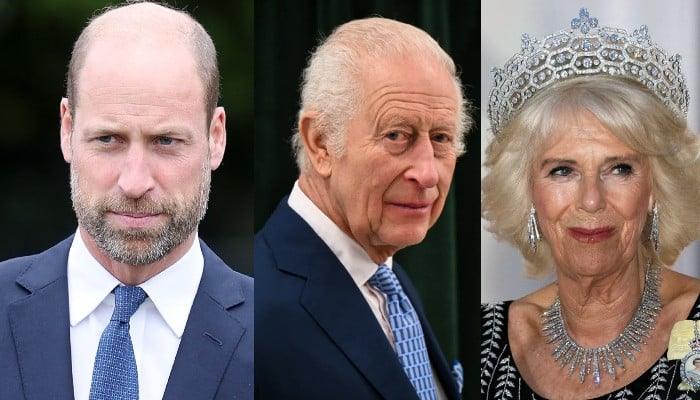
A Broader Strategy: Planning for the Future
As Prince William prepares for his future role, there has been increasing focus on how he approaches both public duty and private life. Observers have noted a consistent emphasis on balance—maintaining tradition while adapting to modern expectations.
Part of this approach involves thoughtful management of resources, including properties. By ensuring that key estates remain within the direct line of succession, the monarchy can maintain stability while also allowing for personal use and family continuity.
This strategy reflects a broader trend toward a more streamlined royal structure—one that prioritizes clarity, efficiency, and long-term sustainability.
Modern Expectations and Public Interest
In today’s media environment, public interest in the royal family is stronger than ever. Stories about property, inheritance, and internal dynamics often generate significant attention.
However, it is important to distinguish between verified information and speculation. While media reports can offer insights, they do not always reflect the full complexity of royal decision-making.
In reality, most arrangements involving royal assets are handled privately and in accordance with established legal processes. They are rarely influenced by short-term considerations and are instead guided by long-term planning.
Balancing Tradition and Change
The monarchy has endured for centuries in part because of its ability to evolve. Each generation brings new perspectives, while still respecting the traditions that define the institution.
Prince William’s approach appears to reflect this balance. His focus on family life, community engagement, and modern values suggests a vision that is both forward-looking and grounded in history.
At the same time, the continued use of historic estates like Balmoral ensures that key traditions remain intact. These properties serve as a physical link between past and present, reinforcing the continuity of the monarchy.
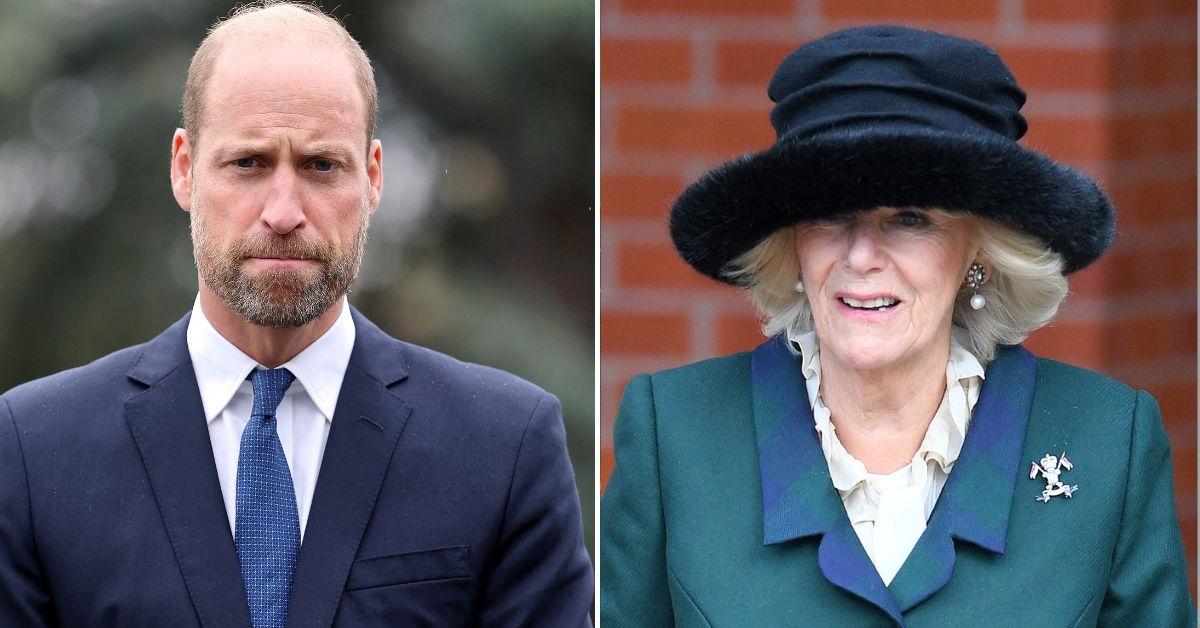
The Importance of Stability
One of the primary goals of royal estate management is to maintain stability. This involves clear ownership structures, well-defined roles, and careful planning for future transitions.
By keeping certain properties within the direct line of succession, the royal family can avoid uncertainty and ensure that key assets remain aligned with the monarchy’s long-term needs.
This approach also supports the institution’s public role, as it allows senior members to carry out their duties with a strong foundation of support and continuity.
Looking Ahead: The Next Chapter
As the royal family continues to evolve, decisions about property and inheritance will remain an important part of its development. These choices are not made lightly, and they reflect a combination of legal requirements, personal relationships, and strategic considerations.
For Prince William, the future will involve balancing multiple responsibilities—leading the monarchy, supporting his family, and maintaining the traditions that define the institution.
Private estates like Balmoral will continue to play a role in this journey, offering both a connection to the past and a foundation for the future.
Conclusion: A Story of Continuity, Not Conflict
While recent discussions have highlighted specific property arrangements, the broader picture is one of continuity rather than conflict.
The management of royal estates is a complex process shaped by history, law, and careful planning. It is designed to preserve stability, support the monarchy’s role, and ensure that future generations are well prepared for their responsibilities.
Rather than signaling division, these developments illustrate how the royal family adapts to changing times while remaining rooted in tradition.
As public interest continues, one thing remains clear: the monarchy’s strength lies in its ability to evolve thoughtfully, balancing heritage with modern expectations.
And as the next chapter unfolds, the world will continue to watch—not just for headlines, but for the enduring story of an institution shaped by history, family, and the passage of time.