In recent months, viral videos and social media posts have circulated dramatic claims about internal conflict within the British royal family. One widely shared narrative suggests that Prince William has taken decisive action to remove members of Queen Camilla’s family from positions of influence. These claims often describe secret meetings, sudden decisions, and major changes behind palace doors.
However, when examined against verified information from reputable and official sources, there is no evidence to support these allegations. Instead, the situation highlights how quickly unverified royal rumors can spread online and how important it is to rely on factual reporting.
Understanding the Viral Claims
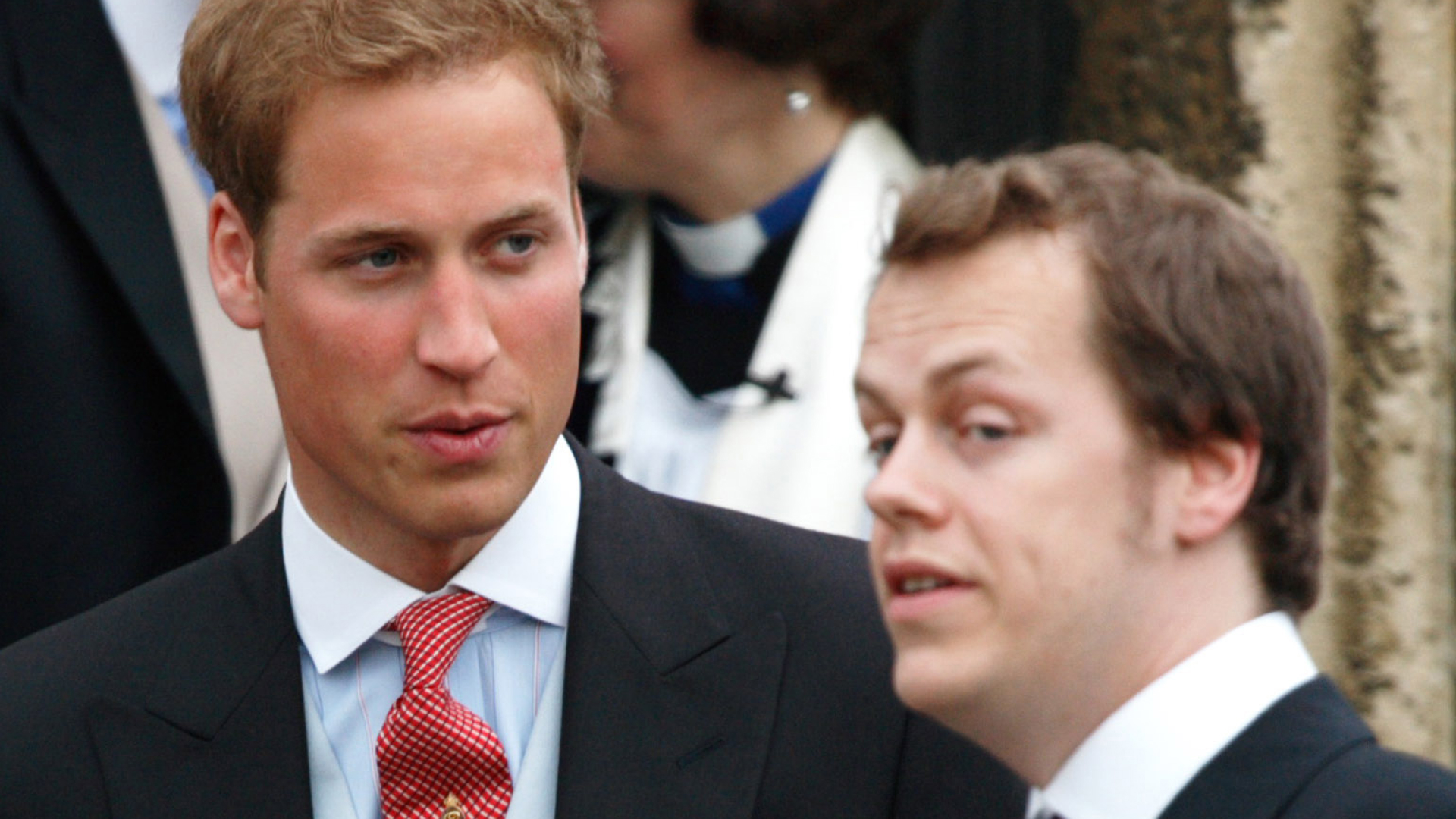
The viral narrative typically portrays a dramatic turning point within the monarchy. According to these stories, a private gathering—often described as taking place during Christmas at Sandringham House—became the setting for a decisive confrontation. In this version of events, Prince William is depicted as stepping forward with authority to limit or remove the influence of individuals connected to Queen Camilla.
These claims often include elements such as:
-
- Allegations of secret investigations
- Sudden loss of access or privileges for certain individuals
- Suggestions of internal “power struggles” within the royal household
- Claims that future leadership decisions are already being enforced
While these elements make for compelling storytelling, none of them are supported by confirmed public records or official statements.
What Official Sources Confirm
Verified information about the British royal family is typically released through official channels, including statements from The Royal Family or covered by established news organizations that rely on confirmed sources.
As of early 2026, there are no official announcements indicating:
- Any removal of access or privileges involving Queen Camilla’s family
- Any internal disciplinary action led by Prince William
- Any extraordinary authority exercised outside established constitutional processes
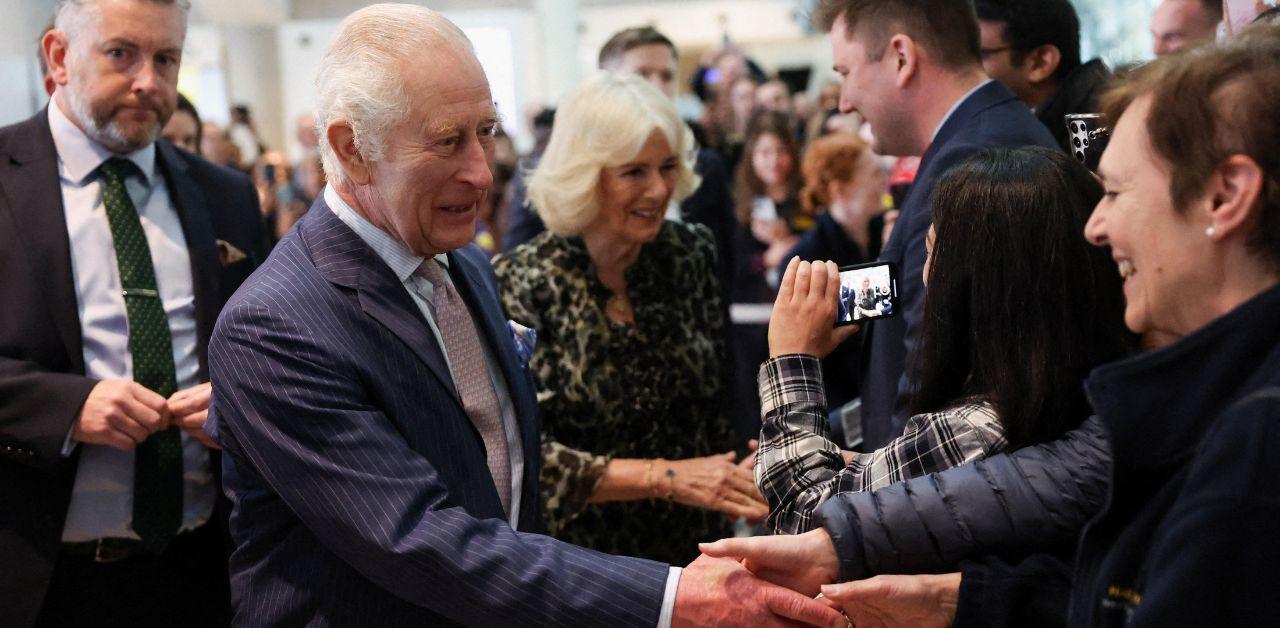
Public reporting on recent royal events—including holiday appearances and formal engagements—indicates continuity rather than conflict. For example, traditional Christmas gatherings at Sandringham have continued as scheduled, with no confirmed reports of disruption or unusual developments.
The Role of the Constitutional Framework
The British monarchy operates within a well-defined constitutional structure. Major decisions involving royal authority, succession, or governance are governed by law and long-established procedures.
Prince William, as heir to the throne, holds an important ceremonial and future leadership role. However, he does not possess unilateral authority to make sweeping institutional changes of the type described in viral content.
Any significant shift in royal responsibilities would require:
- Formal legal processes
- Coordination with government institutions
- Public acknowledgment through official channels
This framework ensures stability and transparency, making the idea of a sudden, secret “power move” highly unlikely.
Public Roles of Key Royal Figures
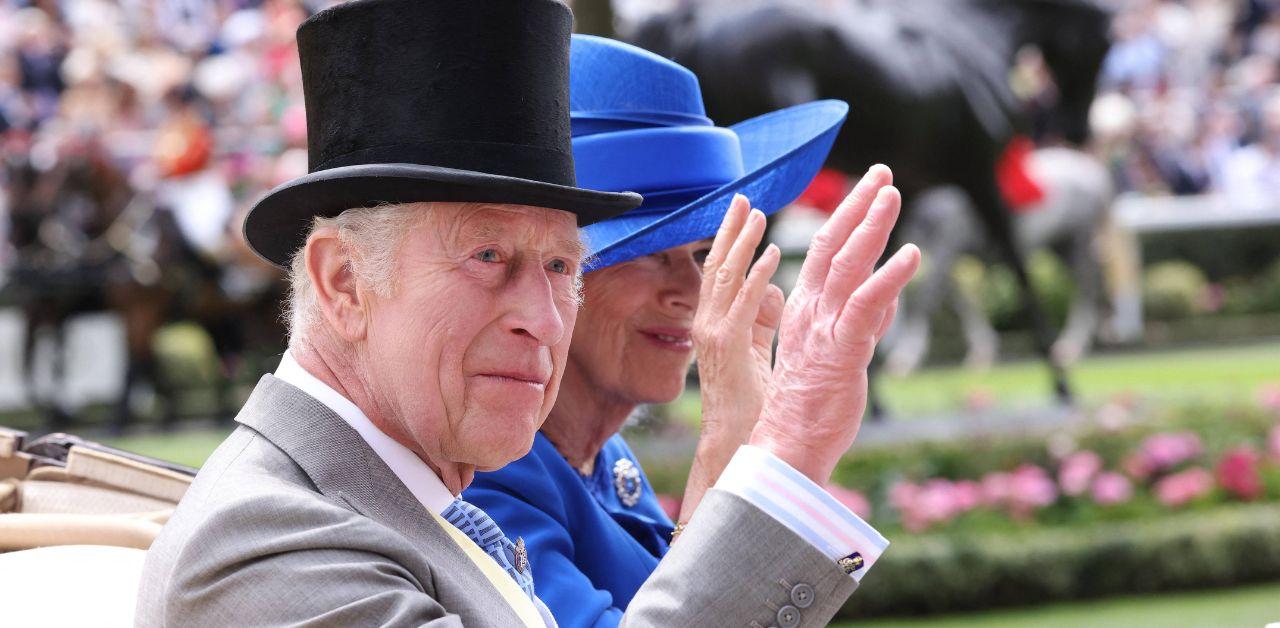
To better understand the context, it is helpful to look at the publicly recognized roles of the individuals mentioned in these narratives.
Prince William
Prince William is widely recognized for his focus on public service, including initiatives related to mental health, environmental conservation, and community development. His role is primarily forward-looking, preparing for future responsibilities as monarch.
Catherine, Princess of Wales
Catherine works alongside Prince William on numerous charitable initiatives, particularly those focused on early childhood development and well-being.
Queen Camilla
Queen Camilla continues to carry out official duties, including supporting literacy programs and charitable organizations. Her public role remains consistent with that of a senior member of the royal family.
King Charles III
As the reigning monarch, King Charles III remains the central authority within the royal institution. All official actions and decisions ultimately align with his role and responsibilities.
Why These Stories Spread So Quickly
Despite the lack of evidence, stories like this often gain traction for several reasons:
1. Public Fascination with the Monarchy
The British royal family has long attracted global attention. Stories involving potential conflict or change naturally generate strong interest.
2. Narrative Appeal
Dramatic storytelling—featuring themes like power, loyalty, and transformation—can make unverified claims seem compelling, even without supporting evidence.
3. Social Media Amplification
Platforms that prioritize engagement can accelerate the spread of sensational content, regardless of its accuracy.

The Reality Behind Royal Transitions
While viral content often portrays sudden upheaval, real changes within the monarchy tend to occur gradually and transparently. Over recent years, there has been a visible transition toward a more streamlined working royal family, with senior members taking on clearly defined roles.
This evolution reflects broader efforts to modernize the institution while maintaining continuity. However, it is based on publicly acknowledged developments—not secret actions or unverified claims.
Conclusion: Separating Fact from Fiction
There is currently no verified evidence supporting claims that Prince William has taken control of royal operations in the manner described by viral videos, nor that Queen Camilla’s family has been removed from influence through any official action.
Instead, available information points to stability within the monarchy, guided by established constitutional processes and confirmed public engagements.
The popularity of these stories reveals ongoing public curiosity about the future of the royal family. However, curiosity should not replace careful evaluation of facts. By relying on credible sources and verified information, readers can better understand the realities behind the headlines—and avoid being misled by speculation presented as truth.