Introduction
Country music has evolved dramatically over the past few decades. Modern country often blends pop, rock, and electronic production. Yet for many listeners-especially those who appreciate authentic storytelling and traditional instrumentation-the heart of country music still lies in its classic roots.
Few artists represent those roots better than George Strait, widely known as the King of Country.
Throughout his career, Strait revived the classic sounds of Honky-tonk and Western Swing, helping spark the Neo-Traditional Country movement in the 1980s.
Today, a new generation of artists continues that legacy-keeping traditional country music alive while introducing the sound to modern audiences.
If you love fiddle melodies, steel guitar, and timeless country storytelling, this playlist is made for you.
The neo-traditional country movement emerged in the 1980s as a reaction against the growing popularity of country-pop.
Many artists wanted to return to the authentic sound of classic country music, emphasizing traditional instruments and storytelling lyrics.
Key characteristics of neo-traditional country include:
- fiddle-driven melodies
- steel guitar arrangements
- honky-tonk rhythms
- western swing influences
- simple, emotional storytelling
Among the pioneers of this movement, George Strait became the most commercially successful artist.
Songs like Amarillo by Morning helped reintroduce audiences to the authentic spirit of traditional country music.
Even today, the influence of George Strait can still be heard in many modern country artists.
Best Neo-Traditional Country Artists for Classic Country Fans
If you’re searching for artists similar to George Strait, these musicians continue the neo-traditional country sound.
1. Alan Jackson
Few artists capture the spirit of traditional country music like Alan Jackson.
Jackson’s career has been built on honoring classic country sounds while adding his own heartfelt songwriting style.
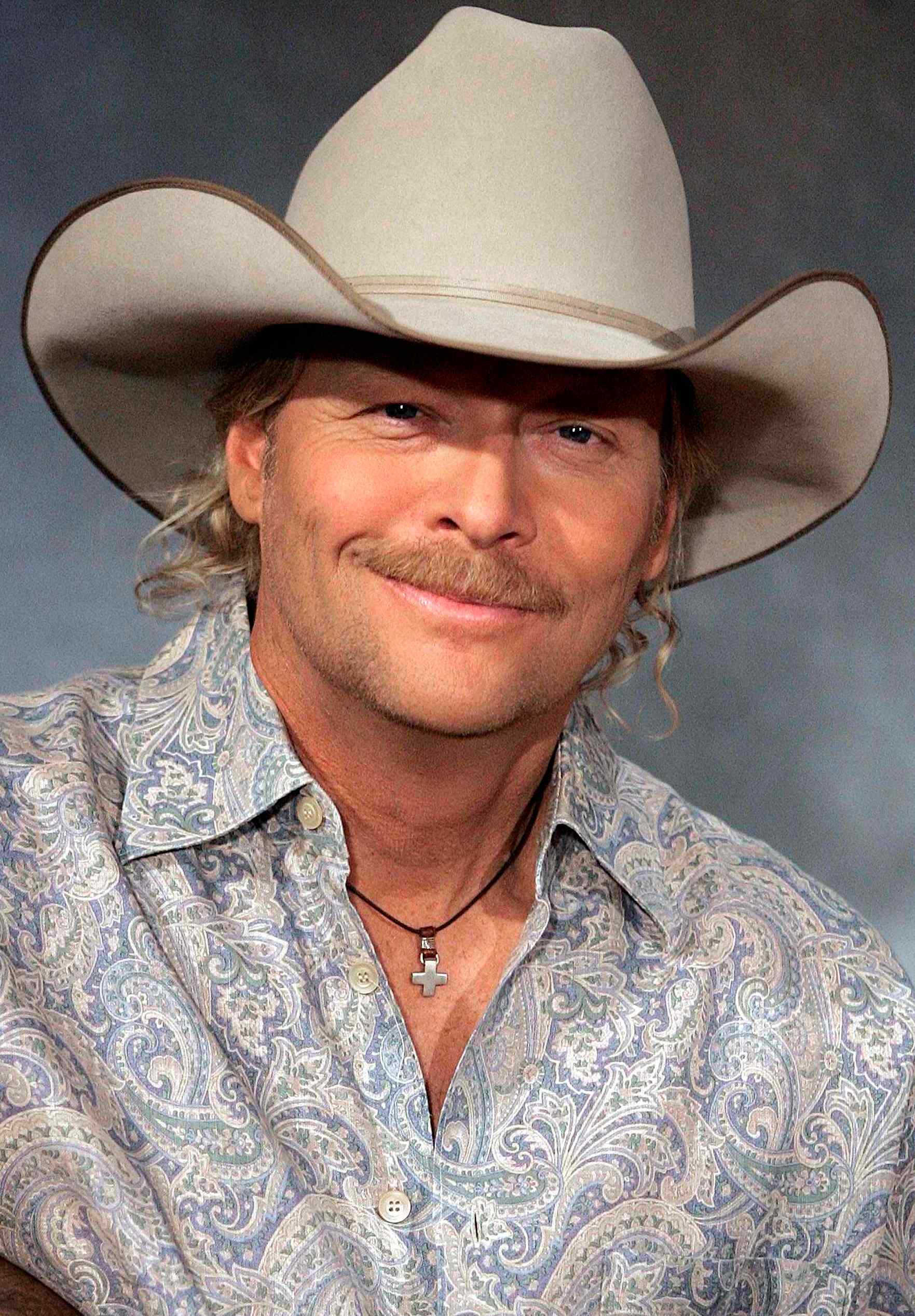
His music often features:
- steel guitar melodies
- honky-tonk rhythms
- storytelling lyrics about small-town life
For fans of George Strait, Alan Jackson remains one of the most authentic voices in country music.
2. Randy Travis
Another major figure in the neo-traditional movement is Randy Travis.
In the 1980s, his deep baritone voice helped bring traditional country music back to mainstream radio.
His music shares many qualities with George Strait’s sound:
- simple, stripped-down arrangements
- traditional country instrumentation
- emotional storytelling
Many country historians credit Randy Travis with helping revive classic country music during a time when pop-influenced country dominated the charts.
3. Dwight Yoakam
For fans who enjoy energetic honky-tonk country, Dwight Yoakam is an essential artist.
Yoakam blends traditional country with the Bakersfield Sound, creating a style that is both classic and modern.

His music features:
- driving electric guitar
- upbeat honky-tonk rhythms
- traditional country storytelling
His success proved that traditional country music could still thrive in the modern era.
4. Chris Stapleton
Although known for blending blues and southern soul, Chris Stapleton draws heavily from classic country traditions.
His music incorporates:
- powerful storytelling
- soulful vocal performances
- traditional country instrumentation
While his sound is more modern than George Strait’s, Stapleton continues the tradition of authentic country songwriting.
5. Jon Pardi
Among younger country artists, Jon Pardi stands out as a strong supporter of the neo-traditional sound.
His recordings prominently feature:
- fiddle sections
- steel guitar
- honky-tonk dance rhythms
Many fans believe Jon Pardi represents the next generation of traditional country music.

Why Traditional Country Music Still Matters
In today’s streaming era, musical trends change quickly. However, the popularity of traditional country music proves that authenticity still resonates with listeners.
Artists influenced by George Strait remind audiences that country music is about more than catchy hooks.
At its core, country music represents:
- storytelling
- cultural heritage
- emotional honesty
By preserving the sounds of Honky-tonk and Western Swing, these artists ensure that the roots of country music remain alive.