The Impact of Direct Leadership: How President Duterte’s Speaking Style Sparked National Debate
In modern politics, communication plays a powerful role in shaping public opinion and influencing national discussions. Leaders around the world use different styles when addressing citizens, the media, and international audiences. Some prefer careful and formal language, while others choose a more direct and conversational approach. One political figure who has often drawn attention for his outspoken style is Rodrigo Duterte, the former president of the Philippines.
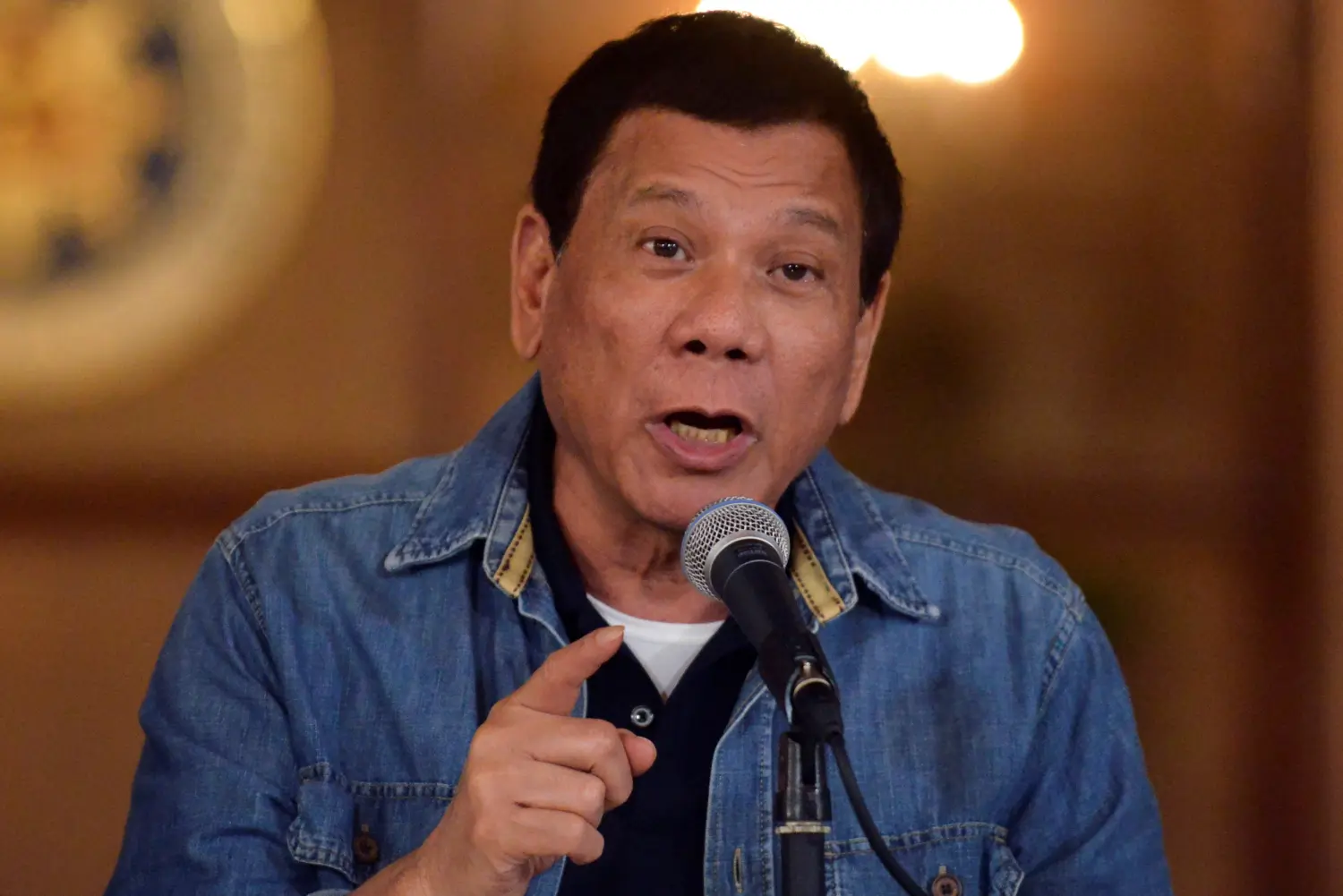
Throughout his time in public office, Duterte became widely recognized for his straightforward manner of speaking. His speeches, interviews, and public statements frequently sparked intense discussion among supporters and critics alike. For many observers, his communication style represented a departure from traditional political language, which is often more measured and cautious.
The reactions to his statements have been varied and complex. Some people admired his directness, believing that it reflected honesty and authenticity. Others felt that such an approach sometimes led to misunderstandings or controversy. Regardless of differing viewpoints, there is little doubt that Duterte’s words had a strong influence on political conversations in the Philippines and beyond.

The Rise of a Distinct Political Voice
Before reaching the presidency, Rodrigo Duterte had already built a reputation as a leader who spoke plainly about issues affecting ordinary citizens. During his years as mayor of Davao City, he became known for addressing problems in a straightforward manner. His speeches often focused on everyday concerns such as public safety, local development, and community welfare.
This style resonated with many people who felt that traditional political language sometimes sounded distant from the realities of daily life. Duterte’s approach appeared more conversational, often resembling the way ordinary citizens discuss social issues among themselves.
As his political career progressed, his unique speaking style became one of the defining features of his public identity.
Communication in the Age of Social Media
When Duterte eventually became president, his statements reached an even wider audience. In today’s digital world, political speeches and interviews spread rapidly through television broadcasts, news websites, and social media platforms.
A single remark can quickly circulate online, generating discussions among millions of viewers. Supporters share clips to highlight what they see as strong leadership, while critics analyze the same remarks from different perspectives.
Because of this fast-paced information environment, Duterte’s comments often became trending topics across the internet. Debates emerged not only within the Philippines but also among international observers interested in Southeast Asian politics.
Supporters’ Perspective
Many supporters of Duterte have praised his straightforward communication style. They argue that his approach reflects honesty and a willingness to address difficult issues without excessive formality.
For some citizens, a leader who speaks plainly can feel more relatable. Instead of relying on complex political language, Duterte often used expressions that ordinary people could easily understand.
Supporters also believed that this style helped him communicate urgency when discussing national challenges. By speaking in direct terms, he conveyed a sense of determination that resonated with those who wanted decisive leadership.
Critics and Concerns
At the same time, critics raised concerns about the potential impact of highly direct political language. Some observers worried that strong or blunt remarks could lead to misunderstandings or increase tensions during sensitive discussions.
Political analysts often emphasize that leaders’ words carry significant influence. Statements made by public officials can shape public perceptions and influence how issues are interpreted.
Because of this influence, critics argued that careful wording is important when addressing complex social or political topics. They believed that measured communication can help maintain constructive dialogue within a diverse society.
The Role of Cultural Context
Understanding Duterte’s communication style also requires considering the cultural and social context of the Philippines. Filipino political culture includes a wide range of communication styles, from highly formal speeches to more conversational exchanges.
In many communities, humor, storytelling, and expressive language are common parts of everyday conversation. Duterte sometimes incorporated these elements into his speeches, making them feel familiar to certain audiences.
At the same time, the Philippines is a diverse nation with many perspectives and backgrounds. As a result, reactions to public statements can vary widely depending on individual experiences and values.
Media Coverage and Public Discussion
News organizations played an important role in amplifying discussions about Duterte’s remarks. Television programs, newspapers, and online platforms frequently analyzed his speeches and public appearances.
Political commentators examined the meaning behind specific phrases, while journalists reported on how different groups reacted. Some programs invited experts to discuss the broader implications of his statements for national policy and public dialogue.
These discussions became part of a larger conversation about leadership, communication, and the responsibilities of public officials.
The Influence of Personality in Politics
Duterte’s communication style highlights a broader theme in modern politics: the growing importance of personality in leadership. In many countries, voters are not only interested in policies but also in the personal qualities of political figures.
A leader’s speaking style can shape how people perceive their character, values, and intentions. Some voters prefer leaders who sound calm and diplomatic, while others appreciate those who speak with strong emotion and conviction.
Duterte’s approach clearly leaned toward the latter. His speeches often conveyed strong feelings about issues he considered important, which made them memorable to both supporters and critics.
Balancing Directness and Diplomacy
Political communication often involves balancing honesty with diplomacy. Leaders must express their views clearly while also considering the broader impact of their words.
In international relations, for example, diplomatic language is often used to maintain cooperation between countries. Meanwhile, domestic politics sometimes allows for more direct expressions of opinion.
Duterte’s presidency offered many examples of how this balance can be challenging. His remarks sometimes sparked discussions about where the line between frankness and diplomacy should be drawn.
Public Engagement and Political Awareness
One notable effect of Duterte’s communication style was the increased level of public engagement in political discussions. Many citizens became more active in sharing opinions online, participating in debates, and following news about government decisions.
In a democracy, such engagement can be valuable. Public debate encourages people to learn about issues, consider different perspectives, and participate in civic life.
Even when disagreements occur, open discussions can strengthen democratic processes by allowing a variety of voices to be heard.
The Role of Leadership Communication
Political scientists often study how leadership communication affects public trust and national unity. Clear messaging can help citizens understand government policies, while confusing or controversial remarks may lead to uncertainty.
In Duterte’s case, his communication style ensured that his speeches rarely went unnoticed. Whether people agreed or disagreed with him, his words consistently generated attention and conversation.
This visibility kept political issues at the forefront of public awareness.
A Legacy of Debate
As time passes, historians and political analysts will continue examining Duterte’s leadership style and its impact on Philippine society. His presidency represents an interesting case study in how communication influences political dynamics.
Some observers may view his approach as a reflection of changing expectations in modern politics, where authenticity and directness are increasingly valued by certain voters. Others may see it as a reminder of the importance of careful communication in maintaining constructive dialogue.
Regardless of interpretation, his speeches remain an important part of the political history of the Philippines.
Looking Toward the Future
The discussions sparked by Duterte’s statements also raise broader questions about how future leaders might communicate with the public. As technology continues to evolve, political messages will travel even faster and reach larger audiences.
Leaders will need to navigate this environment carefully, balancing clarity, empathy, and responsibility when addressing citizens.
The experience of Duterte’s presidency may serve as a lesson for future politicians about the powerful role that words can play in shaping national conversations.
Conclusion
The story of Rodrigo Duterte’s outspoken communication style demonstrates how leadership language can influence public opinion and national debate. His direct approach captured attention, energized supporters, and prompted critics to voice their concerns.
In a society where communication is constantly evolving, the relationship between leaders and the public remains deeply connected to the words they choose to share.
For many observers, Duterte’s speeches will continue to be remembered as moments that sparked conversation, reflection, and discussion about the nature of political leadership.
As citizens continue to reflect on his time in office, one thing remains clear: in the world of politics, the way leaders speak can shape not only how they are perceived but also how a nation discusses its most important issues.
And for those following the story closely, many are still eager to explore the full context and details behind the statements that sparked such widespread attention.