Behind the polished branding of the Invictus Games’ upcoming 10th anniversary, sources say nerves are fraying fast. What was supposed to be a milestone celebration honoring wounded and injured veterans has reportedly become a quiet crisis inside the organization, as several sponsors are said to be reconsidering their level of involvement amid growing unease over presentation, priorities, and optics.
According to insiders familiar with the discussions, tensions escalated after word circulated that Meghan Markle had expressed interest in participating in a public dance moment during anniversary events attended by veterans. While the idea was never formally announced, the mere suggestion reportedly triggered concern among key partners who felt it risked shifting focus away from service members and toward celebrity spectacle. One source described the reaction bluntly: “Sponsors didn’t sign up for performance art. They signed up to honor veterans.”
The issue, sources say, is not Meghan herself but perception. Several donors allegedly flagged the proposal as “off-message,” particularly in a year meant to spotlight the Games’ original mission rather than personalities adjacent to it. “This anniversary is symbolic,” said one individual close to sponsor outreach. “Anything that looks like brand confusion makes people nervous — especially companies writing seven-figure checks.”
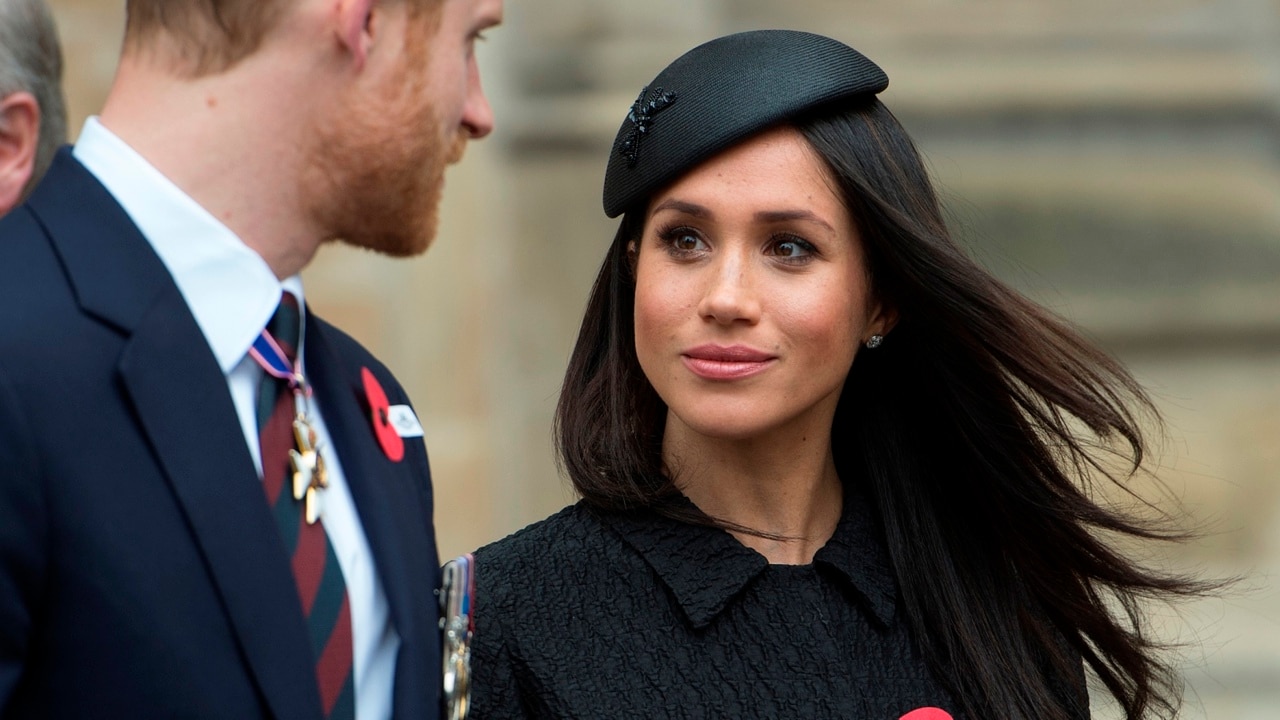
Inside Invictus leadership, that nervousness is reportedly landing squarely on the CEO’s desk. While officials publicly insist the anniversary plans remain intact and sponsor relationships are strong, insiders paint a more frantic picture behind the scenes, with calls being placed, assurances issued, and messaging hastily recalibrated. “There’s a scramble happening,” one source said. “The word ‘veterans-first’ is suddenly being repeated a lot — because people need to hear it.”
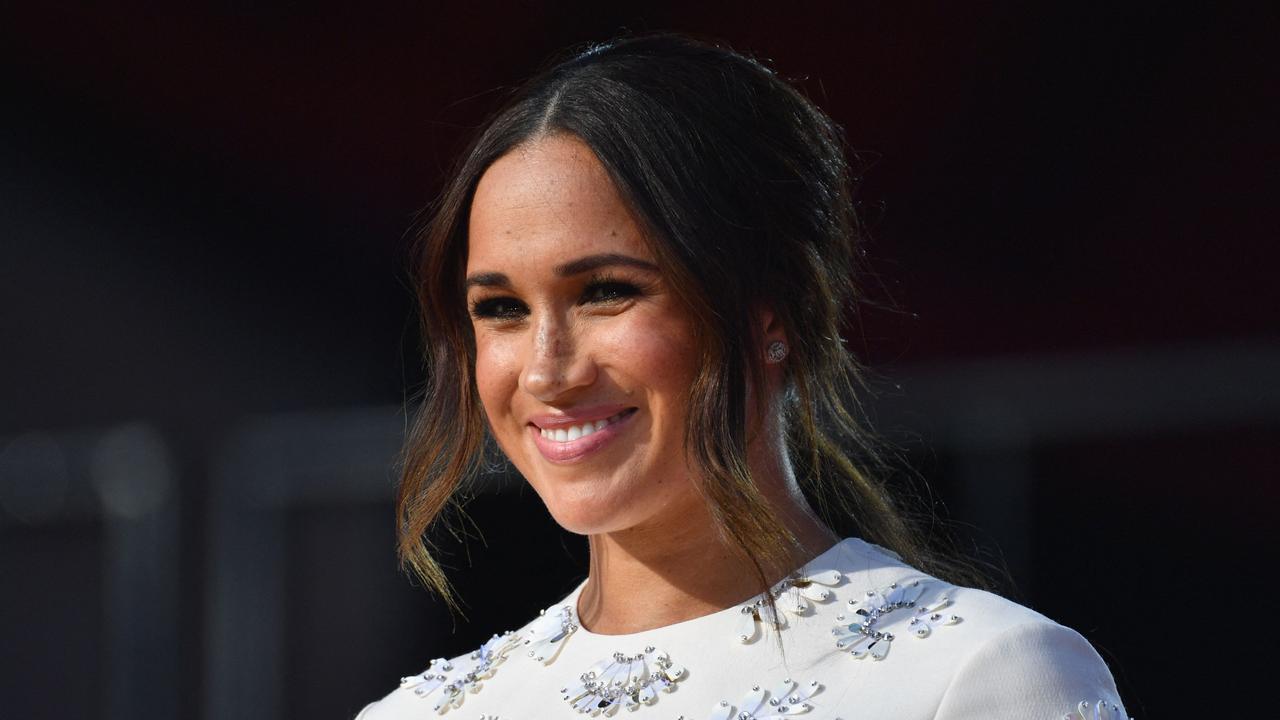
The timing has not helped. The Games are already navigating heightened scrutiny, tighter corporate budgets, and broader donor fatigue across the charitable sector. Against that backdrop, even the appearance of mission drift can be costly. “Sponsors today are hypersensitive,” noted a PR consultant unaffiliated with Invictus. “They don’t want controversy, and they especially don’t want headlines that suggest a charity event has become a celebrity showcase.”
Supporters of Meghan argue that any participation would be well-intentioned and celebratory, but critics counter that intention is secondary to impact. “This isn’t about fun,” one veteran advocate commented online. “It’s about respect. Context matters.”
Invictus officials, for their part, deny any internal panic and emphasize that no final programming decisions have been made. In a brief statement, a spokesperson said the organization remains “fully committed to honoring the courage and recovery of service members, which remains the heart of the Invictus Games.”
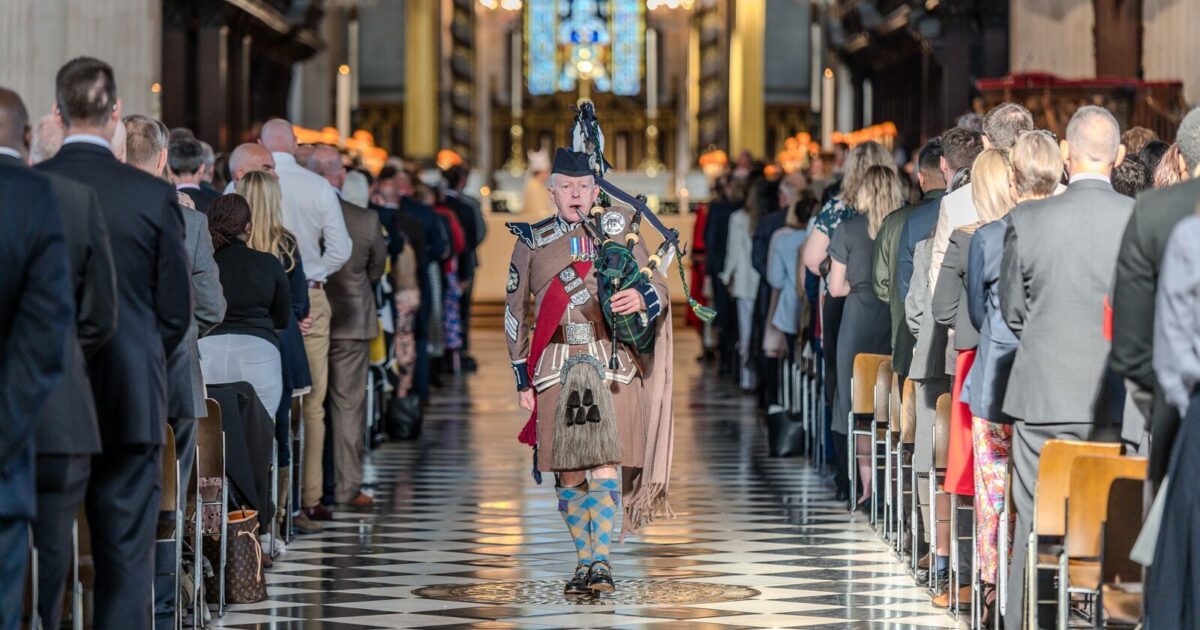
Still, privately, the concern lingers. Sponsors may not walk away loudly, but hesitation can be just as damaging. As one insider put it, “When donors pause instead of pulling out, that’s when you know something’s wrong.”
Whether the rumored dance moment ever materializes or quietly disappears from planning documents, the episode underscores a recurring challenge for Invictus in its second decade: balancing high-profile visibility with the solemn gravity of its purpose. For an organization built on resilience, the real test now may be keeping the spotlight exactly where it was always meant to be.

