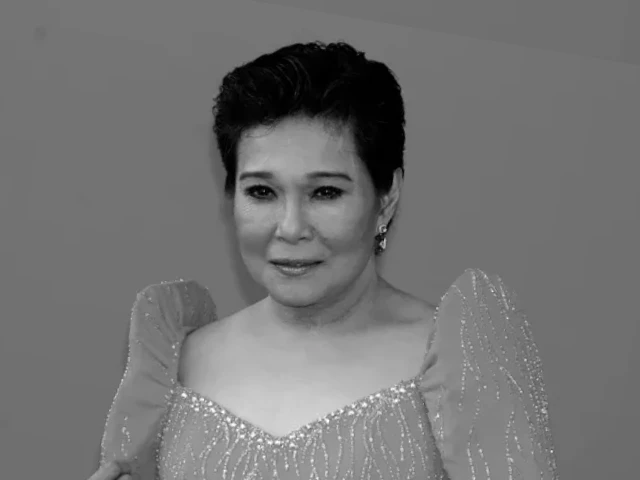
How Nora Aunor’s Voice Changed Philippine Music Before She Became a Movie Icon
Introduction
Before Nora Aunor became a legendary figure in Philippine cinema, she first captivated the nation with her extraordinary voice. Known as the “Girl with a Golden Voice,” Aunor rose to fame as a singer in the late 1960s, during a time when Filipino popular music was evolving rapidly under the influence of Western pop, ballads, and traditional Filipino musical forms.
Her unique timbre, emotive delivery, and versatility not only resonated with audiences but also influenced an entire generation of Filipino singers. This article explores Nora Aunor’s musical beginnings, the context of Philippine music during her rise, and the lasting legacy of her voice—before her transition into a movie icon.
Table of Contents
-
- Early Life and Musical Beginnings
-
- The Filipino Music Scene in the 1960s
-
- Breakthrough with “Tawag ng Tanghalan”
-
- Unique Vocal Style and Technique
-
- Influence on Contemporary Filipino Music
-
- Recordings That Defined an Era
-
- Collaboration with Songwriters and Musicians
-
- Fan Reception and Cultural Impact
-
- Transition from Singer to Movie Star
- Conclusion: A Voice That Shaped a Nation
1. Early Life and Musical Beginnings
Nora Aunor was born Nora Cabaltera Villamayor on May 21, 1953, in Iriga, Camarines Sur. Her early life was marked by modest means, but her natural talent quickly became apparent. Singing in local competitions and community events, young Nora demonstrated an exceptional sense of pitch, phrasing, and emotional depth—qualities that would later define her artistry.
Her humble beginnings contrasted sharply with the glamour she would later command, giving her voice a sense of authenticity that resonated with ordinary Filipinos.
2. The Filipino Music Scene in the 1960s
The 1960s were a transformative period for Philippine music. Western rock ‘n’ roll, jazz, and ballads began merging with traditional Filipino musical forms. Radio stations were the primary medium for discovering new talents, and televised singing competitions became cultural phenomena.
Against this backdrop, Nora’s voice stood out for its purity, strength, and emotional resonance—qualities that allowed her to compete with, and often surpass, contemporaries who had more formal training.
3. Breakthrough with “Tawag ng Tanghalan”
Nora Aunor’s breakthrough came when she joined “Tawag ng Tanghalan”, a popular televised singing competition, in the late 1960s. Her performances quickly gained nationwide attention. Her ability to convey complex emotions through simple ballads made her relatable to audiences across the country.
Winning competitions and receiving high praise, she became a household name, cementing her reputation as the “Girl with a Golden Voice.”
4. Unique Vocal Style and Technique
Aunor’s vocal style was distinguished by several features:
Emotive Expression: Her ability to convey deep feeling, even in technically simple songs, captivated listeners.
Dynamic Range: She could transition effortlessly between soft, intimate phrases and powerful, resonant high notes.
Authenticity: Unlike many contemporaries who emphasized vocal theatrics, Aunor’s singing felt natural and heartfelt.
These qualities allowed her to make songs feel personal, even when performed in front of thousands of listeners.
5. Influence on Contemporary Filipino Music
Nora Aunor’s early recordings influenced the rise of Original Pilipino Music (OPM) and inspired singers who sought to blend technical skill with emotional authenticity. Many artists cite her as an example of how singing can be more than technique—it can be storytelling.
Her approach helped pave the way for the emotive ballad style that became central to Filipino popular music in the 1970s and 1980s.
6. Recordings That Defined an Era
Some of her earliest hits, including “Pearly Shells” and “Yesterday When I Was Young”, became standards in Filipino music. These recordings showcased her ability to interpret songs with nuance, transforming simple melodies into deeply moving performances.
Her albums were not just commercial successes—they became cultural touchstones, influencing radio programming and inspiring live performances across the Philippines.
7. Collaboration with Songwriters and Musicians
Aunor worked closely with some of the Philippines’ most talented composers and arrangers. Their collaborations allowed her to explore a variety of genres, from traditional Filipino ballads to jazz-infused pop.
This versatility broadened her appeal and demonstrated that Filipino singers could adapt international influences while maintaining a uniquely local sound.
8. Fan Reception and Cultural Impact
Audiences responded enthusiastically to Aunor’s music. Fans admired her ability to convey relatable emotions and her humble background, which made her achievements feel accessible.
Her popularity also reflected a social dynamic in which ordinary Filipinos saw themselves in her struggles and triumphs, reinforcing the cultural significance of her voice.
9. Transition from Singer to Movie Star
By the early 1970s, Aunor’s fame as a singer naturally led to opportunities in film. Directors recognized her ability to evoke emotion, both through song and performance. Her musical foundation became a key asset in her transition to acting, allowing her to convey depth and authenticity on screen.
Yet even as she became a movie icon, her influence on Philippine music remained undeniable, with countless singers citing her early recordings as inspiration.
10. Conclusion: A Voice That Shaped a Nation
Before becoming a household name in Philippine cinema, Nora Aunor’s voice left an indelible mark on the country’s musical landscape. Her combination of technical skill, emotional authenticity, and cultural relatability transformed the way Filipinos approached popular singing.
Her legacy as a singer demonstrates that talent, when paired with sincerity, can shape not only careers but also national culture. Nora Aunor’s journey from a small-town girl to the “Girl with a Golden Voice” is a testament to the enduring power of music in connecting people across generations.